What Is Classic Rib Zinc Roofing?
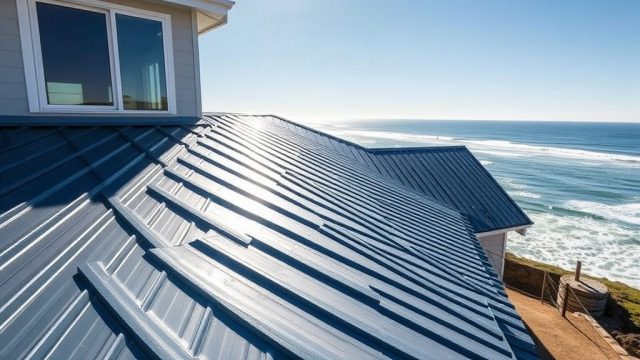
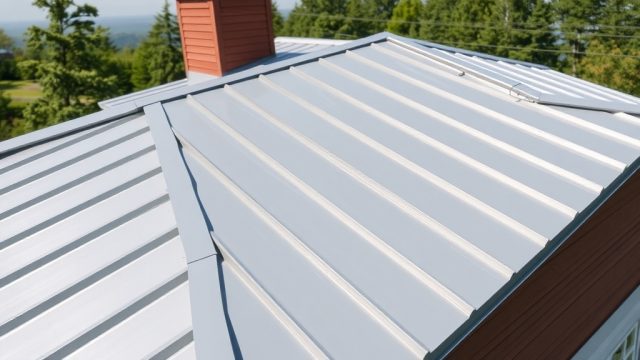
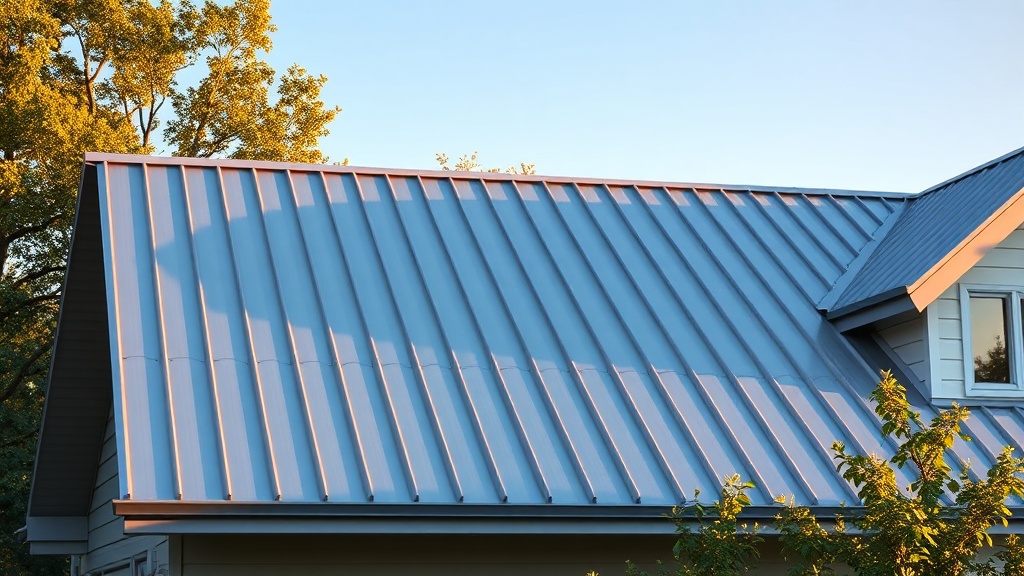
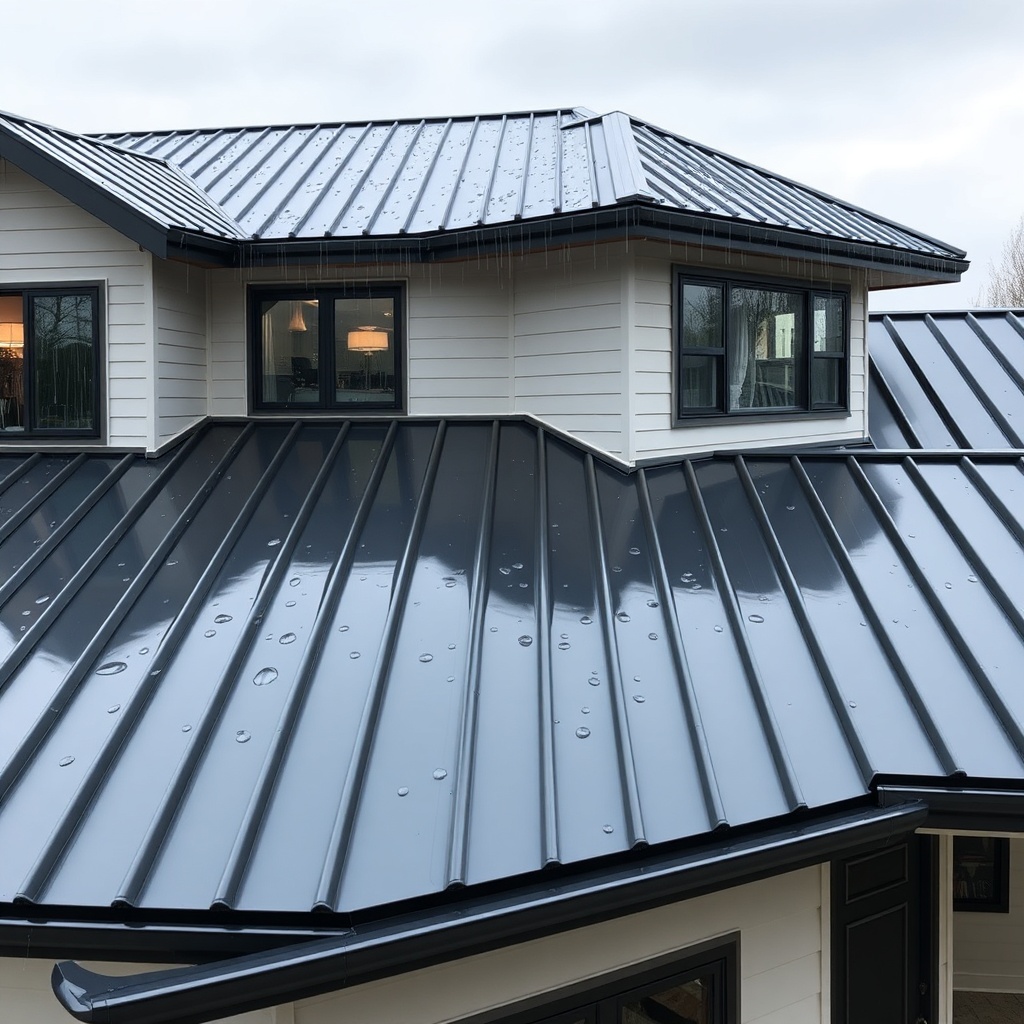
Classic Rib zinc roofing is a premium metal roofing profile characterized by its distinctive narrow, evenly spaced ribs that run vertically along the panel length. This profile, often referred to as a “corrugated” or “ribbed” design, offers a clean, modern aesthetic while providing exceptional structural rigidity. The material itself—zinc—is a natural, durable metal that forms a protective patina over time, giving the roof a matte, stone-gray finish that blends seamlessly with both traditional and contemporary architecture. Unlike painted steel or aluminum, zinc does not rely on a coating for color; its appearance evolves naturally, developing a self-healing layer that resists corrosion.
Classic Rib zinc panels are typically manufactured in widths from 24 to 36 inches, with rib heights of approximately 1 to 1.5 inches. This profile is particularly popular for residential and light commercial applications because it combines the visual appeal of traditional standing seam with the economy of a through-fastened system. The zinc alloy used—usually a mix of 99.5% zinc with trace amounts of titanium and copper—offers superior ductility, allowing it to be formed into tight curves and complex shapes without cracking.
How Much Does Classic Rib Zinc Roofing Cost Per Square Foot?
The cost of Classic Rib zinc roofing is significantly higher than standard steel or aluminum profiles, but it offers unmatched longevity and aesthetic value. The total installed cost varies based on roof complexity, region, and contractor experience. Below is a realistic breakdown for a 2,000-square-foot residential roof in the United States, using US dollars (USD).
| Cost Component | Estimated Cost (USD) | Notes |
|---|---|---|
| Materials (zinc panels, fasteners, underlayment) | $24,000 – $36,000 | Zinc costs $12–$18 per sq. ft. for panels alone; includes trim, clips, and high-temp ice & water shield. |
| Labor (tear-off, installation, cleanup) | $10,000 – $16,000 | Rate: $5–$8 per sq. ft.; zinc requires specialized crimping and soldering skills. |
| Permits and Engineering | $800 – $1,500 | Varies by jurisdiction; may require structural calculations. |
| Miscellaneous (disposal, scaffolding, flashing) | $1,200 – $2,500 | Scaffolding needed for steep roofs; custom flashing adds cost. |
| Total Installed Cost | $36,000 – $56,000 | Average $18–$28 per sq. ft. |
When comparing this to other metal roofing options, Classic Rib zinc is about 2–3 times more expensive than Classic Rib Steel Roofing: Pros, Cons & Cost Analysis (which runs $7–$12 per sq. ft.) but offers a lifespan of 80–100 years versus steel’s 30–50 years. For a detailed comparison of materials, see Classic Rib Steel vs Aluminum: Cost and Durability Guide.
The ROI on zinc is strong for high-end homes. While the upfront cost is steep, the roof may never need replacement if properly maintained. Insurance discounts for fire resistance and wind ratings up to 170 mph further offset initial investment.
How Durable Is Classic Rib Zinc Under Harsh Weather?
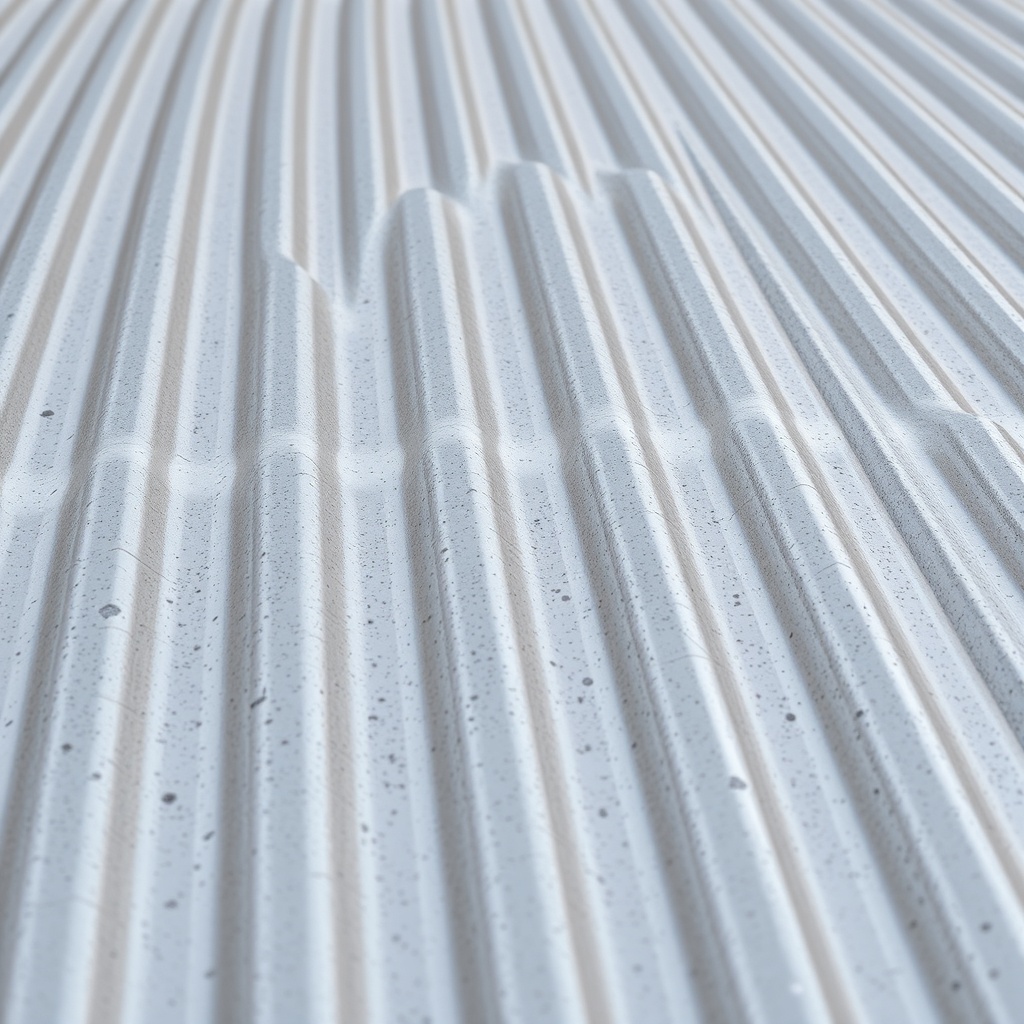
Classic Rib zinc roofing is exceptionally durable, particularly in coastal, snowy, and wildfire-prone regions. Its corrosion resistance is outstanding because zinc reacts with oxygen and water to form a stable patina (basic zinc carbonate) that seals the metal, preventing further oxidation. This patina self-repairs if scratched, something painted steel cannot do.
Zinc is also highly ductile—it expands and contracts with temperature changes better than steel, reducing the risk of fastener shear and panel buckling. In hurricane zones, the Classic Rib profile’s vertical ribs act as stiffeners, enabling panels to withstand uplift forces exceeding 170 mph when installed with the proper clip system (recommended over through-fasteners in high-wind areas). Snow shedding is excellent; the smooth surface doesn’t trap moisture, and the patina helps ice and snow slide off, preventing ice dam buildup.
Fire rating is Class A (highest). Zinc is non-combustible and will not spread flames, making it ideal for homes in wildland-urban interfaces. For installation specifics that maximize durability, refer to How to Install Classic Rib Metal Roofing: Step-by-Step Guide.
The only vulnerability is galvanic corrosion if zinc contacts copper or untreated steel in the presence of an electrolyte (e.g., rainwater). This is easily avoided by using stainless steel fasteners and isolation membranes at transition points. A well-installed Classic Rib zinc roof typically lasts 80–100 years with only minor patina maintenance.
What Maintenance Does a Classic Rib Zinc Roof Require?
Compared to asphalt shingles or painted steel, Classic Rib zinc roofing demands minimal ongoing maintenance. Because zinc’s patina is self-protecting, it never needs painting, sealants, or rust treatments. However, periodic inspection and cleaning of debris are essential to preserve the roof’s longevity and appearance.
- Annual Inspection: Check for loose fasteners, damage to flashings, and debris accumulation in valleys, gutters, and around penetrations (vents, chimneys, skylights). Zinc is soft—do not walk directly on panels without a protective board to avoid dents.
- Debris Removal: Sweep off leaves, pine needles, and moss annually. Zinc naturally resists algae and moss growth, but organic debris can trap moisture and compromise the patina over decades.
- Gutter Cleaning: Keep gutters and downspouts free of obstructions. Zinc runoff is harmless to plants and water tables, but stagnant water near the roofline can lead to accelerated corrosion at lap joints.
- Patina Care: Do not pressure wash or use abrasive chemicals on the patina. If bird droppings or heavy soiling occur, rinse with a garden hose and soft brush. Avoid metal ladles or scrapers.
For detailed care procedures, read Maintaining Your Classic Rib Roof: Cleaning and Repairs. Repairs are rare but when needed—e.g., after a large tree branch impact—zinc panels can be removed and replaced individually, much like steel, though matching patina on a new panel may take 6–18 months to blend.
How Does Classic Rib Zinc Compare to Copper or Standing Seam?
Homeowners often debate between Classic Rib zinc, copper, and standing seam profiles. The choice hinges on budget, desired appearance, and performance criteria. Here’s a concise comparison:
- Classic Rib Zinc vs. Standing Seam: Standing seam is the premium, concealed-fastener system; Classic Rib vs Standing Seam: Which Is Better? discusses how Classic Rib is cost-effective (lower material and labor) but uses exposed fasteners, which can be a maintenance point. Standing seam offers a cleaner look and higher wind resistance, but Classic Rib zinc matches it in longevity due to zinc’s self-healing nature.
- Classic Rib Zinc vs. Copper: Copper develops a distinctive green patina and can cost $20–$35 per sq. ft. installed. Zinc’s stone-gray patina is lower key and blends with more architectural styles. For a deep dive, see Copper Classic Rib Metal Roofing: Cost, ROI and Design Guide. Copper is more malleable but zinc is harder and more dent-resistant, though both are premium choices.
- Classic Rib Zinc vs. Steel: Steel is cheaper ($7–$12/sq. ft.) but requires paint or coating maintenance and has a shorter lifespan (30–50 years). Zinc wins on longevity and corrosion resistance, particularly in saltwater environments.
In summary, Classic Rib zinc sits between standing seam and copper in price but offers the best balance of natural patina and structural performance for the long term.
What Do Owners Say About Classic Rib Zinc Roofs?
Owners universally praise the aesthetic evolution and peace of mind that comes with a zinc roof. Many note that the patina, which starts bright silver and gradually matures to a soft, warm gray within three to five years, is a conversation starter. Comments often highlight how the roof “disappears” into the landscape, complementing stone and wood exteriors beautifully.
Common praises include zero rust issues, even on 20-year-old installations near the ocean. Owners in snow-belt states report that ice dams vanished entirely after replacing asphalt with Classic Rib zinc. A few caution about the initial cost—“it’s painful upfront, but I’ll never have to roof this house again,” one Vermont homeowner shared. Another point: dent potential. “We had a hailstorm that left small dimples on a neighbor’s steel roof, but our zinc just had tiny, nearly invisible marks,” said a Texas owner. Fastener maintenance is occasionally mentioned; through-fastened panels require occasional retorquing, though with zinc’s self-sealing washer system, leaks are extremely rare.
Overall, satisfaction ratings are extremely high among those who choose Classic Rib zinc, with the vast majority stating they would choose the same material again, even accounting for the premium price.
Frequently Asked Questions
Does Classic Rib zinc roofing rust?
No. Zinc forms a protective patina (basic zinc carbonate) that prevents oxidation. The patina is self-healing, so minor scratches or surface damage will eventually reform the protective layer. It is inherently corrosion-resistant, even in coastal salt air.
Can Classic Rib zinc be installed over existing shingles?
Generally, no. Zinc is a premium material best installed on a solid, well-ventilated deck. Overlays void many warranties and can trap moisture. Full tear-off to the decking is recommended for longevity and to allow proper underlayment installation.
Is Classic Rib zinc roof slippery to walk on?
Yes, especially when wet. Zinc develops a smooth patina that can be very slippery. If you must walk on the roof, use a safety harness, walk support boards, or specially made metal-roofing shoes. For most maintenance, work from ladders or scaffolding.
How long does the patina take to develop?
The initial bright silver finish begins to mellow within 6–12 months, with a full, soft stone-gray patina developing over 3–5 years, depending on local climate (humidity and rainfall speed up the process). The patina then remains stable for decades.
Can I paint Classic Rib zinc panels?
Painting is strongly discouraged. The beauty of zinc is its natural, evolving patina. Paint will not adhere well to the patina and will require frequent maintenance. If you want a colored roof, choose pre-painted steel or aluminum instead.
Is Classic Rib zinc environmentally friendly?
Yes. Zinc is 100% recyclable and can be used repeatedly without losing its properties. Its lifespan of 80–100 years means far less waste than asphalt shingles. The patina is non-toxic and safe for rainwater collection. Production also has a lower carbon footprint than aluminum.