
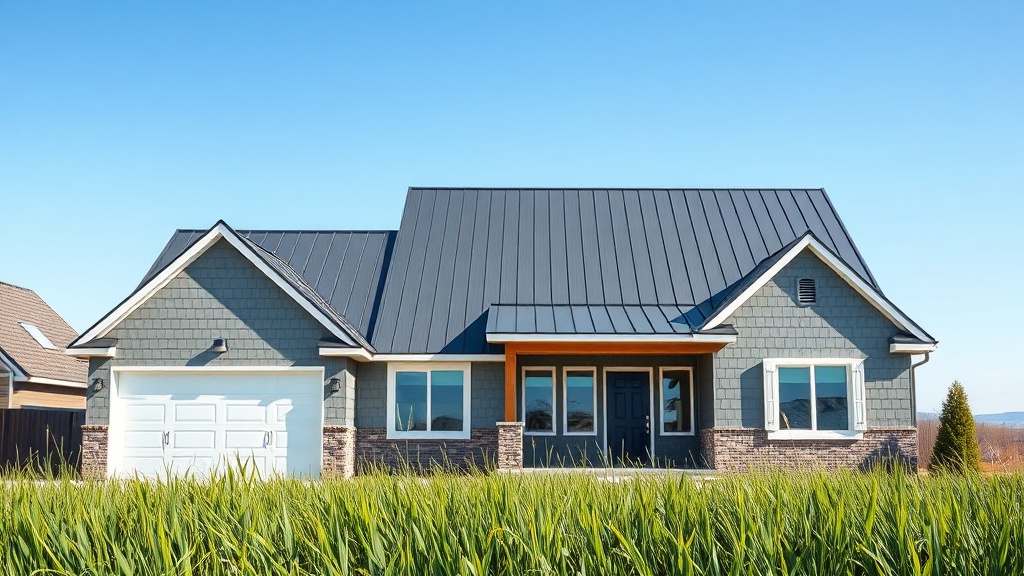
Classic Rib Steel Roofing: Pros, Cons & Cost Analysis
When homeowners look for a metal roof that blends traditional aesthetics with modern durability, Classic Rib steel roofing often comes into the conversation. This profile features broad, flat panels separated by shallow, rounded ribs — a look that mimics the classic standing seam but with exposed fasteners. In this analysis, we break down the real-world pros, cons, and costs of Classic Rib steel roofing so you can decide if it’s the right choice for your home.
What Exactly Is Classic Rib Steel Roofing?
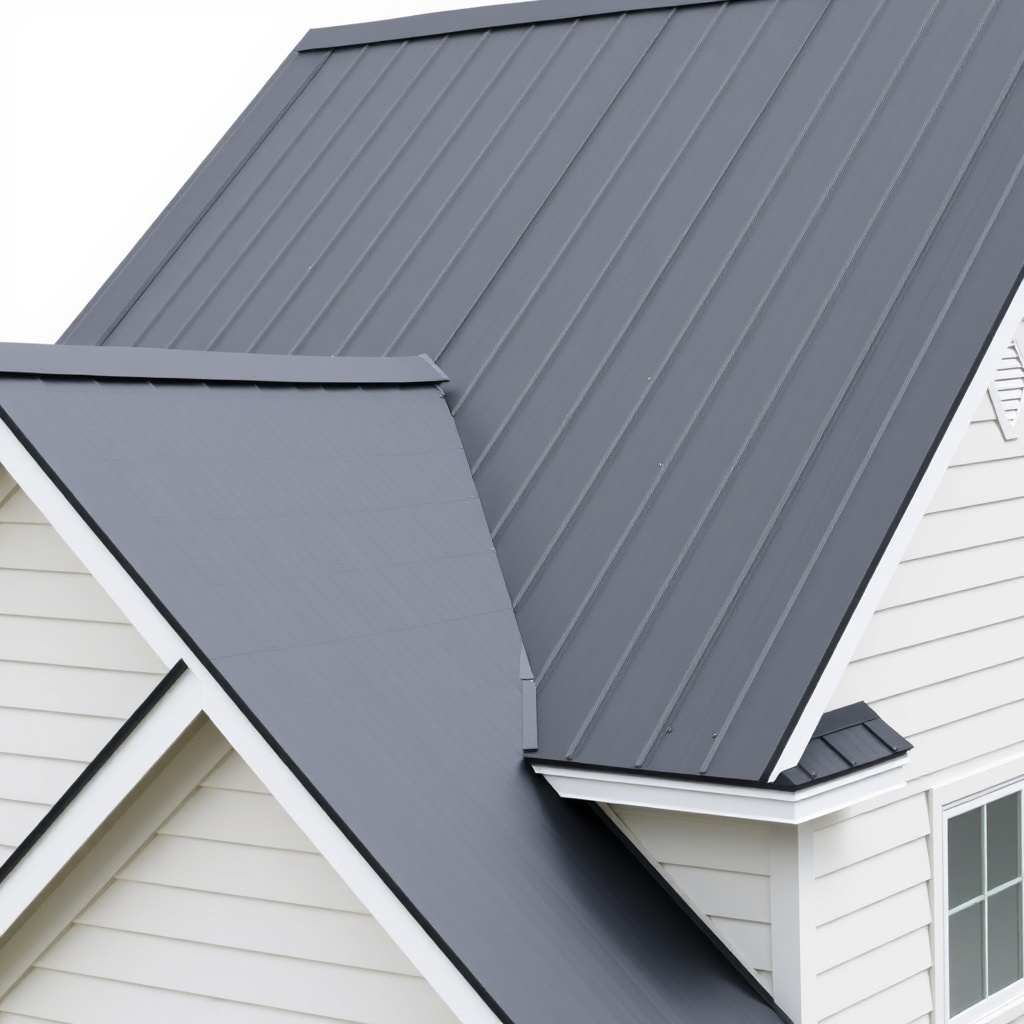
Classic Rib is a corrugated steel panel profile with a 7/8-inch rib height and a 36-inch coverage width. Unlike standing seam panels, which hide fasteners under clips, Classic Rib panels use exposed screws with neoprene washers. The panels are typically made from 26- or 24-gauge Galvalume steel, coated with a baked-on Kynar 500 or SMP paint finish. You’ll see it on residential roofs, pole barns, and even some commercial structures because it offers a clean, modern look at a lower price point than hidden-fastener systems.
One important distinction: Classic Rib is often confused with “R-panel” or “5V crimp,” but it has a tighter rib spacing and a flatter pan area. It’s designed to shed water effectively on low-slope roofs (3:12 minimum pitch) while offering good wind resistance up to 120 mph when properly installed.
What Are the Main Pros of Classic Rib Steel Roofing?
- Cost-effectiveness: You’ll pay roughly 30–40% less than a standing seam system. Material runs about $1.50–$2.50 per square foot for the panels alone.
- Installation speed: Experienced crew can cover 1,500–2,000 square feet per day because panels are large and fasteners are simple.
- Durability: The Galvalume core resists rust and corrosion far better than galvanized steel. Properly installed, a Classic Rib roof can last 40–60 years.
- Low maintenance: No need for periodic coatings or sealants — just keep debris off and check fasteners annually.
- Energy efficiency: Cool-roof paint options reflect up to 70% of solar radiation, reducing summer cooling bills by 10–25%.
- Recyclability: At end of life, the steel is 100% recyclable, often with scrap value of $50–100 per ton.
What Are the Real Cons of Classic Rib Steel Roofing?
- Exposed fasteners: The neoprene washers on screws can dry out and crack after 10–15 years, leading to potential leaks. You’ll need to inspect and replace them periodically — a task that’s often neglected.
- Thermal movement: Steel expands and contracts with temperature changes. If the panels are over-tightened or not allowed to float at overlaps, they can oil-can (wavy distortion) or pop screws.
- Noise: Rain and hail sounds are more noticeable than with standing seam or asphalt shingles. Uninsulated attics amplify the noise — solid underlayment and insulation help, but it’s a factor.
- Aesthetics: While the look is clean, the exposed fasteners give a slightly industrial appearance. For high-end homes, some homeowners prefer the seamless look of hidden-fastener systems.
- Walkability: Walking on Classic Rib panels can damage the paint or dent the steel — it’s not a “walkable” roof like standing seam with clip systems. Maintenance and chimney crews need to use walk boards.
- Expansion/contraction issues: In hot climates, panels can buckle if expansion gaps aren’t planned properly. This is a common installation error.
How Much Does Classic Rib Steel Roofing Cost in 2025?
Pricing for Classic Rib varies by gauge, coating, and location, but here’s a realistic breakdown for a typical 2,500-square-foot home in the U.S. (materials only, no labor):
| Component | Cost per Square Foot (USD) |
|---|---|
| 26-gauge Classic Rib panels (SMP paint) | $1.80–$2.20 |
| 24-gauge Classic Rib panels (Kynar 500) | $2.20–$2.80 |
| Synthetic underlayment (60 mil) | $0.25–$0.35 |
| Fasteners (screws, washers, closures) | $0.15–$0.25 |
| Ridge caps, flashing, trim | $0.40–$0.70 |
Total installed cost (labor + materials) typically runs $5.50–$8.00 per square foot — that’s about $13,750–$20,000 for a 2,500-sq-ft roof. That’s lower than standing seam (typically $8–$14/sq.ft.) but higher than asphalt shingles ($3–$5/sq.ft.). For a deeper cost comparison, see our Classic Rib vs Standing Seam: Which Is Better? guide.
Classic Rib vs. Other Metal Roof Profiles: What’s the Best Choice?
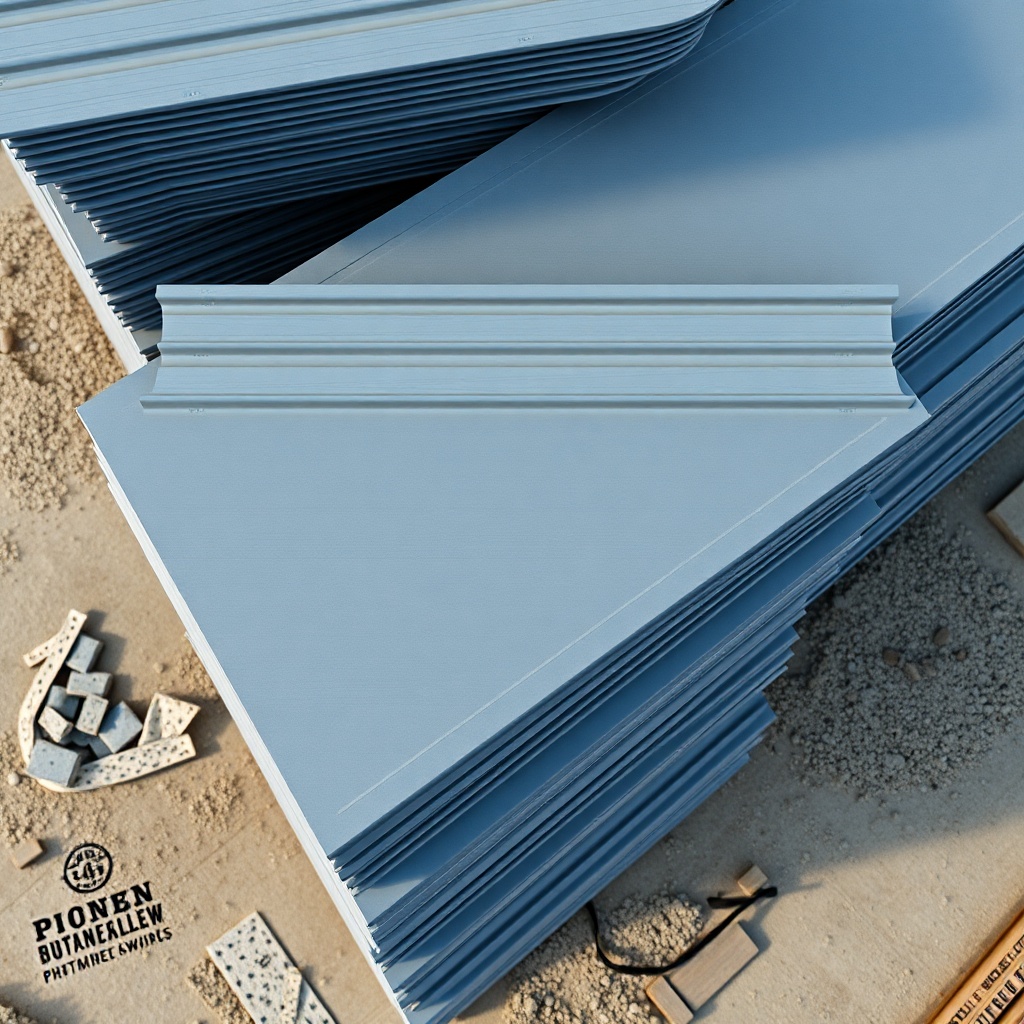
If you’re choosing between Classic Rib and other profiles, here’s a quick comparison table that highlights where each profile excels:
| Profile | Price per sq. ft. (installed) | Wind rating (mph) | Fastener exposure | Best for |
|---|---|---|---|---|
| Classic Rib | $5.50–$8.00 | 120 | Exposed | Budget-conscious homes, low-slope roofs |
| Standing Seam (double lock) | $8.00–$14.00 | 140+ | Hidden (clips) | High-end residential, coastal areas |
| R-Panel (36” coverage) | $4.00–$6.50 | 110 | Exposed | Barns, shops, low-budget projects |
| Corrugated (7/8” rib) | $3.00–$5.00 | 95 | Exposed | Temporary structures, sheds |
For most residential applications, Classic Rib offers the best balance of cost and longevity. If you want the fully hidden-fastener look and can afford the premium, our Classic Rib vs Standing Seam comparison will help you decide.
How Long Does a Classic Rib Steel Roof Last?
With proper installation and basic annual maintenance, expect 40–50 years. The Galvalume coating (55% aluminum, 45% zinc) provides sacrificial protection at cut edges — the main cause of failure is fastener corrosion or paint fade. Kynar 500 finishes hold color well for 30+ years; SMP paints may fade after 15–20 years. Check our Maintaining Your Classic Rib Roof: Cleaning and Repairs article for a detailed upkeep plan.
What Owners Say About Classic Rib Steel Roofing
Homeowners who have lived with Classic Rib for 5–10 years share these common observations:
- “The roof looks great from the street — the ribs give it a clean, farmhouse look. But after 8 years, about 10% of the screw washers were cracked. I replaced them all for about $100 in parts — a pain, but manageable.” — Mike T., Ohio
- “We love the energy savings. In July, our attic temperature dropped from 120°F to about 85°F after the Classic Rib install. But the rain noise is real — we put in closed-cell spray foam and it’s much better now.” — Linda R., Georgia
- “The exposed fasteners bother me more than I thought. On the south-facing slope, the rubber washers have started to degrade after 6 years. I wish I had gone with standing seam, even though it cost more.” — Jason P., Texas
These points underscore the importance of choosing the right gauge (24-gauge lasts longer than 26-gauge in high-wind zones) and using stainless steel fasteners for longevity.
Frequently Asked Questions
1. Can Classic Rib steel roofing be installed over old shingles?
Yes, but it’s not ideal. You’ll need to install furring strips (1×3 or 2×4) to create an air gap and prevent condensation. The extra weight of two layers (shingles + metal) requires a roof structure that can handle 3–4 psf. Most building codes allow one layer of cover over shingles.
2. What gauge Classic Rib is best for residential roofs?
For most homes, 26-gauge is adequate (wind rating ~110 mph). For coastal or high-wind zones (120+ mph), use 24-gauge — it’s 20% thicker and resists denting from hail better.
3. Does Classic Rib steel roof require special tools for installation?
Basic tools work: circular saw with a metal-cutting blade (carbide-tipped), screw gun with depth-stop, shears for trimming, and a brake for bends (though many panels are ordered pre-cut). For step-by-step instructions, see How to Install Classic Rib Metal Roofing: Step-by-Step Guide.
4. How do you seal exposed fasteners on Classic Rib?
Use self-drilling screws with bonded neoprene washers (ASTM D2000 rated). For extra protection, some contractors apply a dab of butyl sealant under the washer. Avoid over-tightening — you’ll squish the washer and reduce sealing.
5. Can you walk on a Classic Rib roof?
We don’t recommend it. The flat pans can dent, and the ribs are not structural. If you must walk (for chimney or solar work), use a walk board (2×12) laid over the ribs, and step only over the purlins (supports). Our maintenance guide covers safe access methods.
6. What’s the warranty on Classic Rib panels?
Most manufacturers offer 30-year limited warranties against fading and corrosion for Kynar 500 finishes, and 20 years for SMP. The Galvalume coating carries a limited lifetime warranty against rust perforation (pinholes that go through the steel).