
Classic Rib vs Standing Seam: Which Is Better?
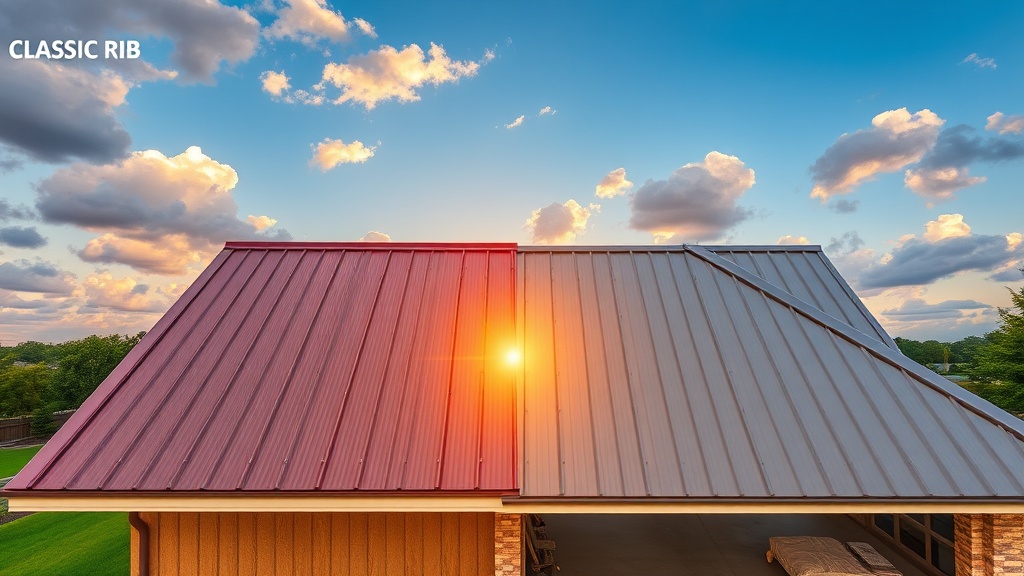
Choosing between Classic Rib and standing seam metal roofing often comes down to balancing budget, aesthetic preference, and long-term performance needs. Classic Rib offers a traditional corrugated look with exposed fasteners, while standing seam provides clean vertical lines and concealed clips. This article breaks down the key differences in durability, cost, installation complexity, and maintenance so you can decide which profile fits your project best.
What Is the Core Difference Between Classic Rib and Standing Seam?
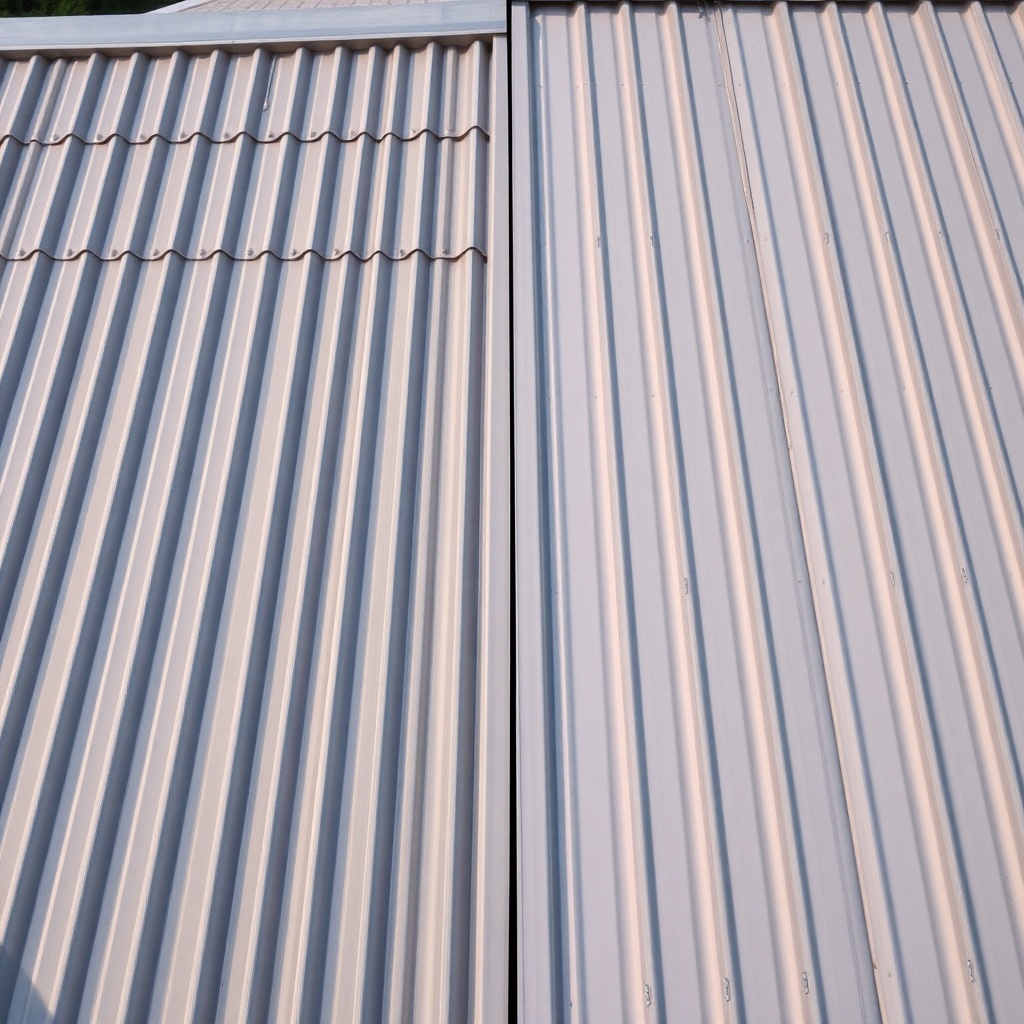
Classic Rib uses exposed screws through the metal panel into the roof deck, creating a ribbed profile with visible fasteners along the seams. Standing seam panels interlock without exposed fasteners, relying on concealed clips that allow for thermal expansion and contraction. Classic Rib is typically made from 26- or 24-gauge steel or aluminum, while standing seam is more commonly 24- or 22-gauge and often uses a snap-lock or mechanical seam system. The exposed fasteners on Classic Rib mean a higher chance of leaks if not maintained, whereas standing seam’s hidden clips offer superior water resistance over the long term.
Does Classic Rib Cost Less Than Standing Seam?
Yes, Classic Rib is almost always cheaper upfront. Material costs for Classic Rib run from £3.50 to £5.50 per square foot (approximately $4.50 to $7.00 USD), including trim and fasteners. Standing seam materials range from £5.50 to £9.00 per square foot due to more complex panel profiles, concealed clips, and higher gauge metal required for structural integrity. Labour costs also differ—Classic Rib installation is faster because panels are simply screwed into the deck, while standing seam requires precise clip placement and seam tooling (or snapping for snap-lock). Expect total installed costs for Classic Rib between £7 and £10 per square foot, versus £10 to £15 per square foot for standard standing seam. For a typical 2,000-square-foot roof, that’s a difference of £6,000–£10,000. However, Classic Rib’s life expectancy is shorter (30–40 years versus 40–60 years for standing seam), and exposed fasteners may need replacing every 15–20 years, which adds lifetime cost.
| Cost Factor | Classic Rib | Standing Seam |
|---|---|---|
| Material cost per sq. ft. | £3.50–£5.50 | £5.50–£9.00 |
| Installed cost per sq. ft. | £7.00–£10.00 | £10.00–£15.00 |
| Typical 2,000 sq. ft. roof total | £14,000–£20,000 | £20,000–£30,000 |
| Fastener replacement interval | Every 15–20 years | None (concealed) |
| Lifespan estimate | 30–40 years | 40–60 years |
Which Roof Profile Handles Weather and Leaks Better?
Standing seam generally outperforms Classic Rib in severe weather due to its concealed fasteners and engineered thermal movement system. Classic Rib’s exposed screw heads are vulnerable to gasket degradation over time, especially in regions with freeze-thaw cycles or high UV exposure. Even with high-quality neoprene washers, screw failures are the most common source of leaks on Classic Rib roofs—a fact documented in our Classic Rib Steel Roofing: Pros, Cons & Cost Analysis. Standing seam clips also accommodate panel expansion without stress, preventing oil-canning or buckling often seen on wider Classic Rib panels. In high-wind zones, standing seam mechanical seams (e.g., double-lock) can resist uplift better than exposed-fastener panels. However, if you live in a mild climate with moderate rainfall and low snow loads, Classic Rib with proper fastener maintenance is perfectly adequate and costs half as much.
How Does Installation Compare Between Classic Rib and Standing Seam?
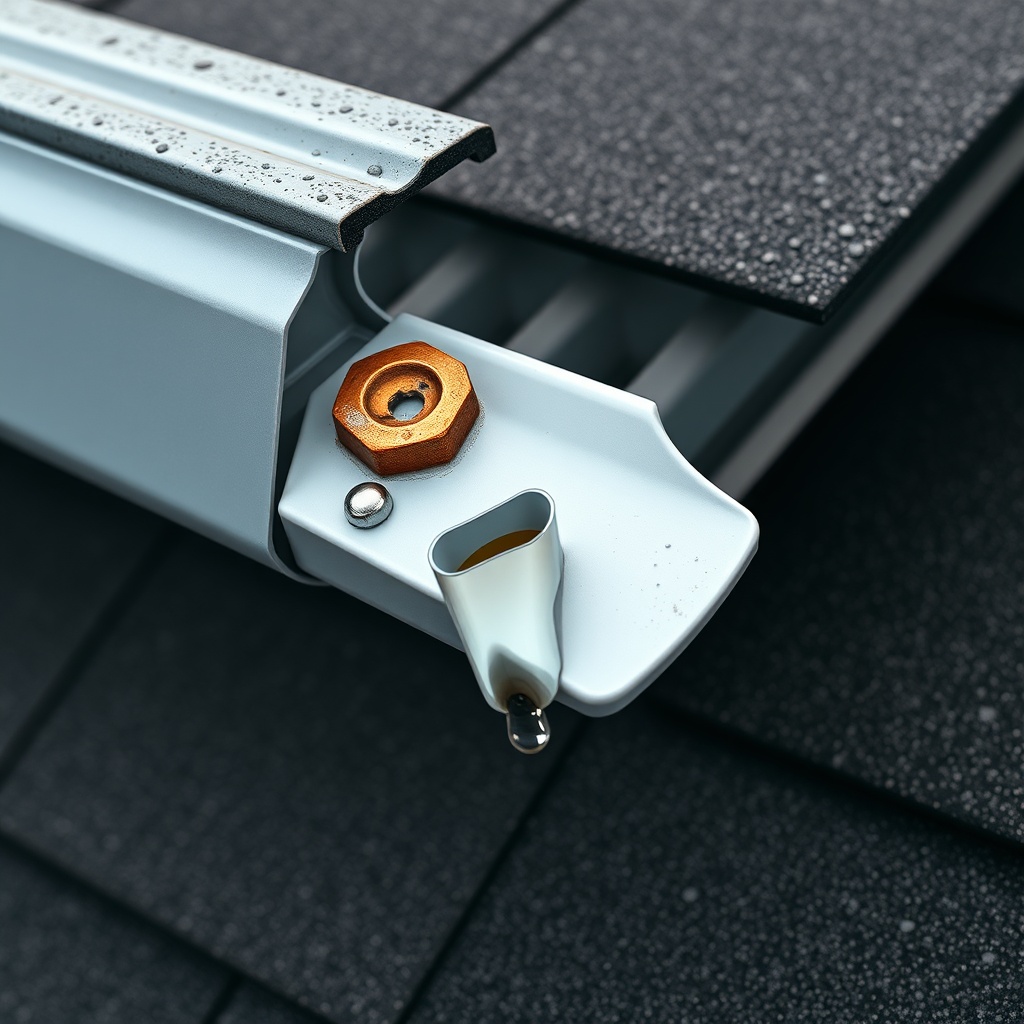
Classic Rib installation is straightforward for a skilled metal roofer—panels are cut to length, laid in sequence, and screwed into the deck or purlins. Overlaps at end laps require double-fastening with sealant, and ridge caps or flashings are simple to fit. The entire process for a 2,000-square-foot roof takes about 3–5 days. In contrast, standing seam installation is more technical. Snap-lock panels are placed and pressed together by hand or with a tool, while mechanically seamed panels require a powered seamer to close the seam. Clip placement must be dead-level to avoid seam separation. Standing seam also typically needs a solid deck (plywood or OSB) versus Classic Rib’s flexibility with open framing. A detailed guide for Classic Rib is available in our How to Install Classic Rib Metal Roofing: Step-by-Step Guide. The learning curve for standing seam means fewer installers may be qualified, often increasing labour rates by 20–30% compared to Classic Rib.
Which Profile Looks Better: Classic Rib or Standing Seam?
Aesthetics are subjective, but standing seam is widely considered the premium look for modern homes and high-end architectural designs—its clean, uninterrupted vertical lines complement contemporary and craftsman styles. Classic Rib, with its visible fasteners and more industrial rib pattern, suits agricultural, barn-style, and coastal homes where a rustic or utilitarian appearance is desired. Homeowners often report that standing seam roofs increase resale value by 1–2% more than Classic Rib because of the “clean seam” appeal noted by real estate agents. Classic Rib offers a wider colour palette and texture options (e.g., stone-coated steel variants) that can mimic clay tile or slate at lower cost. For a rural or farmhouse setting, Classic Rib’s bold rib geometry often looks more authentic than the refined standing seam—it’s a matter of balancing personal taste with the neighbourhood vibe.
What Maintenance Differences Should Owners Expect?
Classic Rib requires periodic inspection of all exposed fasteners—tightening or replacing screws as gaskets wear out. Plan to check every 2–3 years and recoat screw heads with UV-resistant sealant every 5–7 years. Cleaning involves gentle washing to avoid scratching the paint finish near screw heads. Our Maintaining Your Classic Rib Roof: Cleaning and Repairs covers these routine steps in detail. Standing seam maintenance is lighter—occasional checks of seam integrity and debris removal from valleys and gutters sufficing. However, if a standing seam panel does develop a leak (e.g., from a damaged clip or puncture), repair is trickier because access usually requires unseaming panel ends. Classic Rib repairs are simpler: remove the old screw, apply sealant under a new screw head, and drive it in. For both profiles, annual gutter cleaning and trim/flashing inspection are essential. Classic Rib’s lifespan may be shorter, but its easier repairability can offset some of that disadvantage for DIY-minded owners.
What Owners Say
Owner 1: “We went with Classic Rib because we have a coastal cottage and the industrial look fits our setting perfectly. After three years, I’ve only had to tighten two screws after a big storm. The cost saved us £6,000 compared to standing seam quotes. I’d do it again.”
Owner 2: “I installed standing seam on my new build. The look is clean and modern, and we’ve had zero leaks through heavy rain and snow. Yes, it was expensive, but the peace of mind and resale value were worth it. A friend saved money with Classic Rib, but he’s already replaced a few fasteners—I haven’t touched the roof in five years.”
Owner 3: “Classic Rib is fine, but our installer didn’t pre-drill holes properly, and the screws started backing out after a year. I learned from the How to Install Classic Rib Metal Roofing: Step-by-Step Guide that proper fastening is critical. Once they were replaced, the roof has been solid. If I make a mistake again, I’ll pay more for standing seam.”
Frequently Asked Questions
Is Classic Rib or standing seam stronger?
In terms of static load resistance, the gauge of metal matters more than profile—a 24-gauge Classic Rib panel is structurally comparable to a 24-gauge standing seam panel. However, standing seam’s concealed clip system allows the roof deck to handle thermal expansion better, reducing stress on the panels. For heavy snow loads, both work well, but standing seam performs better with snow sliding due to its smooth surface.
Can Classic Rib be installed over existing shingles?
Typically, yes. Classic Rib can be installed directly over one layer of asphalt shingles if the existing deck is sound. Use 2×4 strapping or a felt underlayment to create an air gap and prevent condensation. Standing seam often requires a solid deck with no unevenness, making direct-over-shingle installations less common without full removal.
Does Classic Rib expand and contract like standing seam?
Classic Rib does expand and contract, but its exposed fasteners don’t allow for as much movement as standing seam’s sliding clips. This can lead to oil-canning or minor buckling on long runs (over 40 feet). For long roof spans, standing seam is the safer choice. Classic Rib works best with runs under 30 feet or multiple shorter panels.
Which profile is better for solar panels?
Standing seam is preferred for solar panel mounts because clamp-on attachments don’t require roof penetrations. Classic Rib requires brackets that screw through the metal, increasing leak risk. Some solar installers recommend standing seam for this reason. However, Classic Rib with proper mounting systems (L-feet with sealant) can still be used—just expect more maintenance points.
Are both profiles energy efficient?
Yes, both have similar reflectivity if you choose cool-roof colours (e.g., white, light grey, or copper tones). Classic Rib and standing seam both allow for installation over a ventilated air gap with insulation beneath. The profile itself has minimal effect on R-value—what matters is the insulation layer and ventilation strategy.
How much does a Classic Rib roof cost per square foot in 2025?
In the UK, Classic Rib installed costs range from £7.00 to £10.00 per square foot (including labour, underlayment, and materials). For a more detailed breakdown covering steel and aluminum options, see our Classic Rib Steel Roofing: Pros, Cons & Cost Analysis. Prices vary by region, roofer, and panel gauge but remain consistently 30–40% lower than standing seam installations.