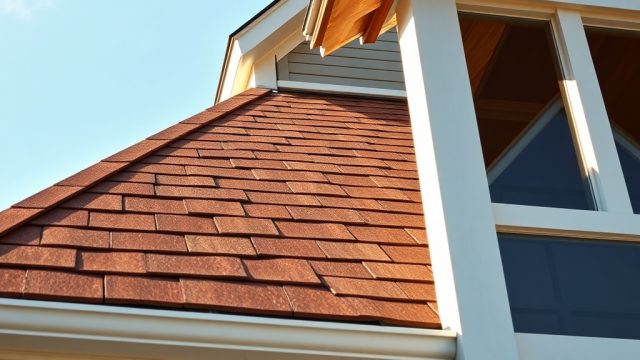
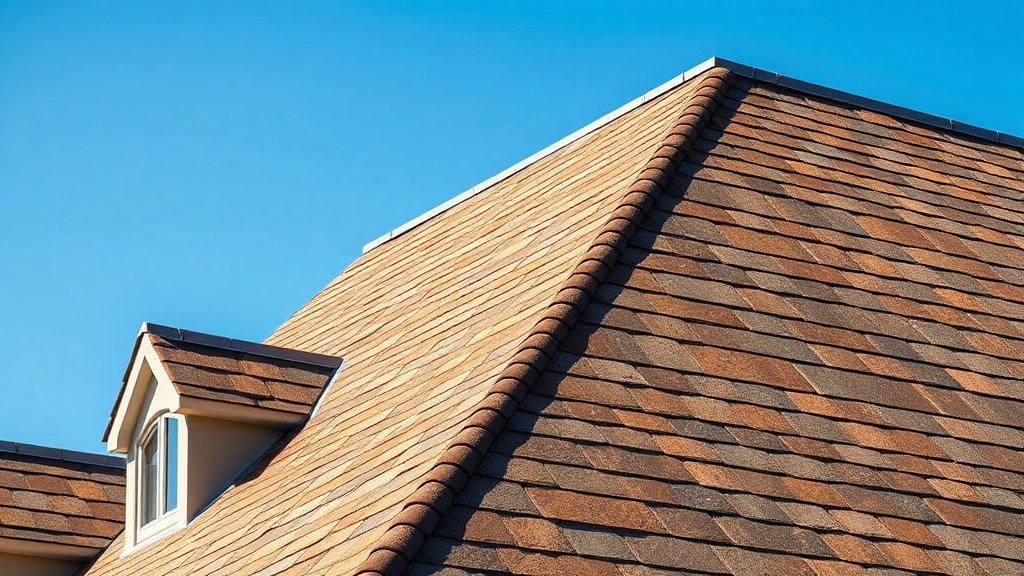
Decra Metal Shake vs Asphalt Shingles: Cost and Performance
When comparing Decra Metal Shake to traditional asphalt shingles, homeowners are often weighing upfront cost against long-term value. While asphalt shingles dominate the market due to their low initial price, Decra’s stone-coated steel shake offers a vastly different performance profile—one that can save money over decades. This article breaks down the real-world differences in cost, lifespan, weather resistance, and resale value to help you decide which roof makes sense for your home.
What Is the Initial Cost Difference Between Decra Metal Shake and Asphalt Shingles?
The most immediate difference is price per square foot. Decra Metal Shake typically costs between $7.50 and $11.00 per square foot installed, while standard 3-tab asphalt shingles run $3.50 to $5.50 per square foot. Architectural asphalt shingles sit in the middle at $4.50 to $7.00. However, this raw comparison misses key factors: Decra’s panels cover more area per piece, require less underlayment in many cases, and often need fewer replacement cycles. For a 2,000-square-foot roof, expect an upfront investment of $15,000 to $22,000 for Decra versus $7,000 to $14,000 for quality asphalt.
Decra’s higher material cost is partly offset by lower labor for installation—metal panels go on faster than individual shingles—but the overall project still runs 40% to 60% more upfront. Regional pricing varies; in areas with high hail or wind risk, Decra contractors may charge less due to simpler flashing details. Always get at least three itemized quotes comparing both systems.
How Does Lifespan Compare Between Decra and Asphalt Shingles?
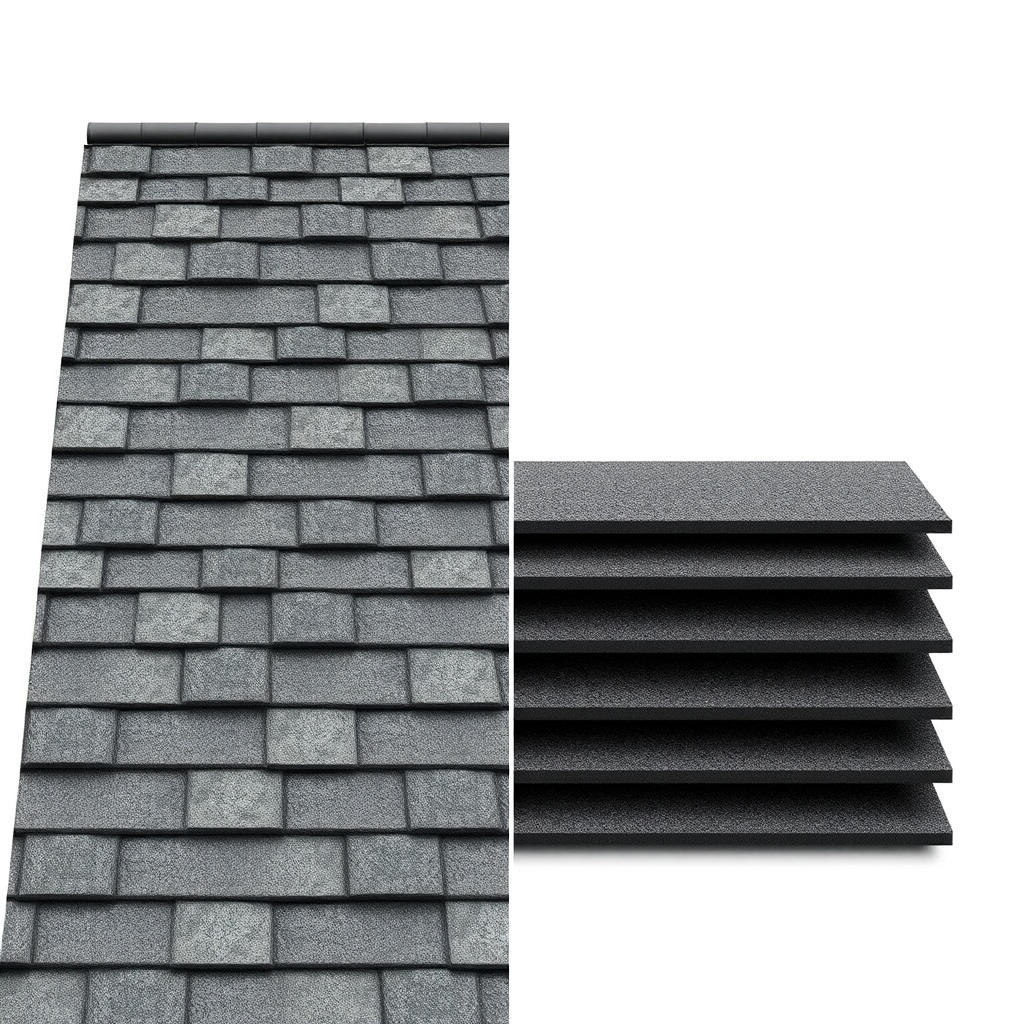
Decra Metal Shake carries a limited lifetime warranty (often 50 years) and a 30-year finish warranty against chipping, peeling, or fading. Real-world performance indicates a functional life of 40 to 60 years before any panel replacement is needed, thanks to its galvanized steel core and stone coating. In contrast, standard 3-tab asphalt shingles last 15 to 20 years; architectural shingles reach 25 to 30 years under moderate climates. In hot, sunny regions, asphalt degrades faster—UV exposure accelerates granule loss and cracking. Decra’s stone coating reflects sunlight and resists thermal shock, so its lifespan remains consistent across climate zones.
If you plan to stay in your home for more than 20 years, Decra eliminates at least one full reroofing cycle. That means avoiding the cost, mess, and disruption of tearing off an old asphalt roof. Keep in mind that Decra’s warranty requires proper installation by certified contractors—an important factor discussed in our Installing Decra Metal Shake: What to Expect guide.
Which Roof Handles Hail, Wind, and Fire Better?
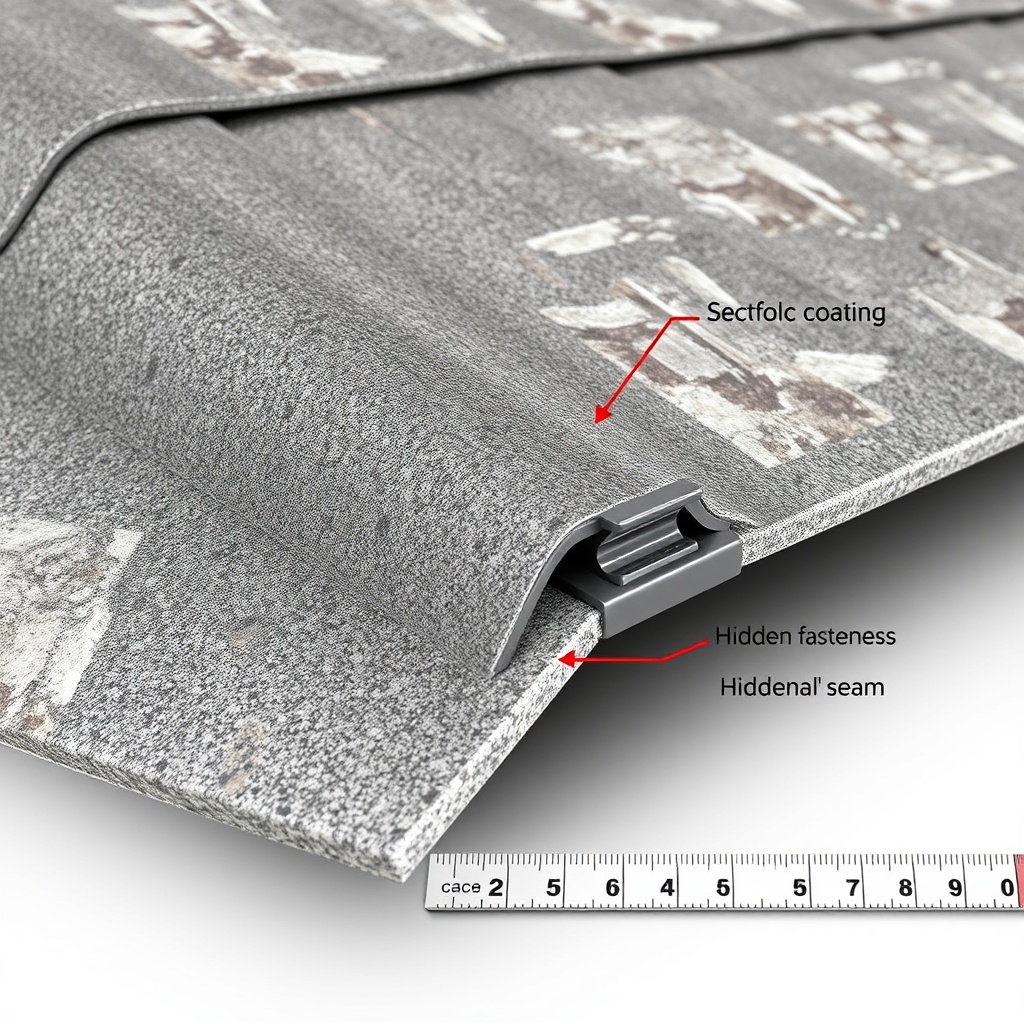
This is where Decra pulls clearly ahead. Decra Metal Shake carries a Class 4 impact rating (the highest) and is tested to withstand 2-inch steel balls dropped from 20 feet—simulating severe hail. Asphalt shingles typically achieve Class 2 or Class 3; only premium impact-resistant asphalt (with polymer modifiers) reaches Class 4, and those cost nearly as much as metal. For wind, Decra panels are mechanically interlocked and fastened through concealed clips, rated for 120 mph winds—double the typical asphalt rating of 60 to 80 mph.
Fire resistance is another decisive factor. Decra’s steel core and stone coating give it a Class A fire rating (the highest), meaning it will not ignite from flying embers or a nearby wildfire. Asphalt shingles are usually Class A as well, but only when installed over specific deck materials; organic-mat asphalt shingles can burn. In wildfire-prone areas, many insurers offer premium discounts for Class A metal roofs. Decra’s stone coating also resists algae growth and moss, which can plague asphalt in humid climates.
| Performance Factor | Decra Metal Shake | Asphalt Shingles (Architectural) |
|---|---|---|
| Impact (Hail) Rating | Class 4 (highest) | Class 2–3 (standard); Class 4 optional at extra cost |
| Wind Rating | 120 mph (certified) | 60–80 mph (typical) |
| Fire Rating | Class A | Class A (with proper deck) |
| Algae/Moss Resistance | Excellent (stone coating) | Moderate (requires additive or zinc strip) |
| Weight per Square Foot | 2.5–3.0 lbs | 3.5–4.5 lbs |
For homeowners in hail-prone regions like the Front Range or tornado alley, Decra’s impact resistance alone can justify the premium—one major hailstorm can destroy an asphalt roof entirely. Decra typically survives with only cosmetic dents, and many insurance companies offer lower deductibles for Class 4 roofs.
Are There Long-Term Savings with Decra Metal Shake Over Asphalt?
Yes, but the savings accumulate over decades. A well-maintained Decra roof can reduce energy bills by 10–25% in hot climates due to its emissive stone coating—the Cool Roof Rating Council rates Decra’s light colors as high reflectivity. Asphalt absorbs more heat, increasing attic temperatures and cooling costs. Over 30 years, that energy savings can reach $2,000 to $4,000 for a typical home, depending on local utility rates.
Maintenance costs also differ dramatically. Asphalt shingles require periodic inspections for loose granules, curled edges, and moss removal. Decra needs only an annual look for debris in valleys and a gentle wash every few years. Most critically, when an asphalt roof fails at year 20, you pay for a full tear-off and disposal (around $3,000–$5,000 in tipping fees). With Decra, you avoid that waste—and the panels are 100% recyclable at end of life. Some manufacturers even offer a buyback for scrap metal.
Consider resale value: homes with Decra roofs often sell for 2–4% more than comparable asphalt-roofed homes, according to real estate studies. For a $400,000 home, that’s $8,000–$16,000 in added equity—enough to offset much of the initial cost gap. Check our Decra Metal Shake Shingles: Authentic Look with Metal Durability for more on market perception.
What Do Homeowners Say About Switching from Asphalt to Decra?
Real-world feedback from Decra owners in our review database highlights three consistent patterns. First, the noise reduction is often a pleasant surprise—contrary to the myth of loud metal roofs, Decra’s stone coating quiets rain to a sound similar to asphalt. One owner in Oregon noted: “After 15 years with asphalt, I expected drumming. Instead, it’s almost silent, even during hailstorms.”
Second, color retention impresses many. Asphalt granules fade within a decade, but Decra’s ceramic-infused stone coating stays vibrant for 20+ years. A Florida retiree reported: “My deep green Decra still looks like it was installed last year, while the neighbor’s asphalt roof turned gray after eight years.”
Third, the weight difference simplifies installation. Decra weighs about 40% less than asphalt—2.8 lbs per square foot versus 4.5 lbs—which means less structural load and no need to reinforce roof trusses. Several owners mentioned that their contractors completed the job in three days versus the five days typical for asphalt. For more on the process, see Installing Decra Metal Shake: What to Expect.
Frequently Asked Questions
Does Decra Metal Shake cost more to insure than asphalt shingles?
Usually, Decra results in lower premiums. Many insurers offer discounts of 5–15% for Class 4 impact-rated roofs and Class A fire-rated roofs. Asphalt shingles with only Class 2 or Class 3 ratings do not qualify. Always ask your agent about “fortified roof” credits.
Can I install Decra Metal Shake over my existing asphalt shingles?
It is not recommended. Decra requires a solid, smooth deck for proper interlocking. Asphalt shingles create an uneven surface that voids warranties. Tear-off is necessary—but the lighter weight of Decra may reduce the need for structural upgrades compared to other metal systems.
How does Decra compare to standing seam metal roofing for cost?
Decra is typically 10–20% more expensive than standing seam due to the stone coating and shake profile. Standing seam costs $6–$9 per square foot installed; Decra runs $7.50–$11. However, Decra offers more aesthetic variety and a thicker appearance that mimics real wood or slate.
Will Decra Metal Shake rust or corrode over time?
Decra’s steel core is coated with a hot-dip galvanized zinc-aluminum alloy (55% Al-Zn) and then a stone coating. This system resists corrosion far better than bare galvanized steel. In coastal areas, salt exposure can shorten lifespan by 10–20%, but it still outperforms asphalt. See our Decra Metal Shake in Copper: Aesthetics and Longevity for specialty corrosion data.
How long does a Decra Metal Shake installation take versus asphalt?
For a 2,000-square-foot roof, Decra takes 2–3 days once the deck is prepared. Asphalt takes 3–5 days. The faster install is due to larger panels (36-inch width) and fewer rows. However, preparation (underlayment, flashing) is roughly the same.
Does Decra work with solar panels?
Yes—and often better than asphalt. Because Decra lasts 40+ years without replacement, solar panels mounted on the roof do not need to be removed for a reroof. This avoids $2,000–$5,000 in solar reinstallation costs. Ensure your installer uses proper standoff brackets that do not penetrate the interlocking seams.