Installing Decra Metal Shake is a precision process that blends the lightweight advantages of steel with the classic look of cedar shakes. For homeowners and contractors alike, knowing what the job entails before the first panel goes on can prevent costly surprises and ensure a roof that performs for decades. This guide breaks down every stage of the installation, from underlayment to fasteners, so you know exactly what to expect when the crew arrives.
How Does the Underlayment and Deck Preparation Differ for Decra Metal Shake?
Decra Metal Shake requires a solid, smooth deck—typically 5/8-inch plywood or OSB. Unlike asphalt shingles, which can tolerate minor dips, metal panels demand a flat surface to avoid oil-canning (wavy reflections) and to ensure snug interlocking. The underlayment specified by Decra is a high-temperature synthetic felt, ASTM D1970 compliant, rated for temperatures up to 260°F. A walking board or roof jacks must be used during installation to prevent damage to the coating.
A critical detail: the underlayment extends 6 inches up all vertical walls and valleys, with a metal drip edge installed at eaves and rakes before any panels go on. For cold climates, an ice-and-water shield is required in valleys and along eaves (typically 2 feet inside the interior wall line). This is not a “nice-to-have”—it is mandatory for the warranty.
Ventilation Considerations
Decra requires a minimum of 1 square foot of net free vent area per 300 square feet of attic floor, with a 50/50 split between intake and exhaust. Failing this voids the finish warranty due to trapped heat. Make sure your installer measures existing vents before beginning.
What Tools and Fasteners Are Required for Decra Metal Shake?
Standard roofing tools won’t cut it. Decra Metal Shake uses a proprietary clip-and-fastener system designed to allow thermal expansion. The primary fasteners are #9 x 1-inch pancake-head screws with a drilled point and a neoprene washer, rated for pull-out strength exceeding 200 lbs. A standard nail gun is not used—every screw must be driven with a low-torque adjustable screw gun to prevent over-tightening that can deform the washer.
| Tool | Purpose |
|---|---|
| Low-torque screw gun (e.g., DeWalt DCF850) | Driving screws to correct depth without crushing washer |
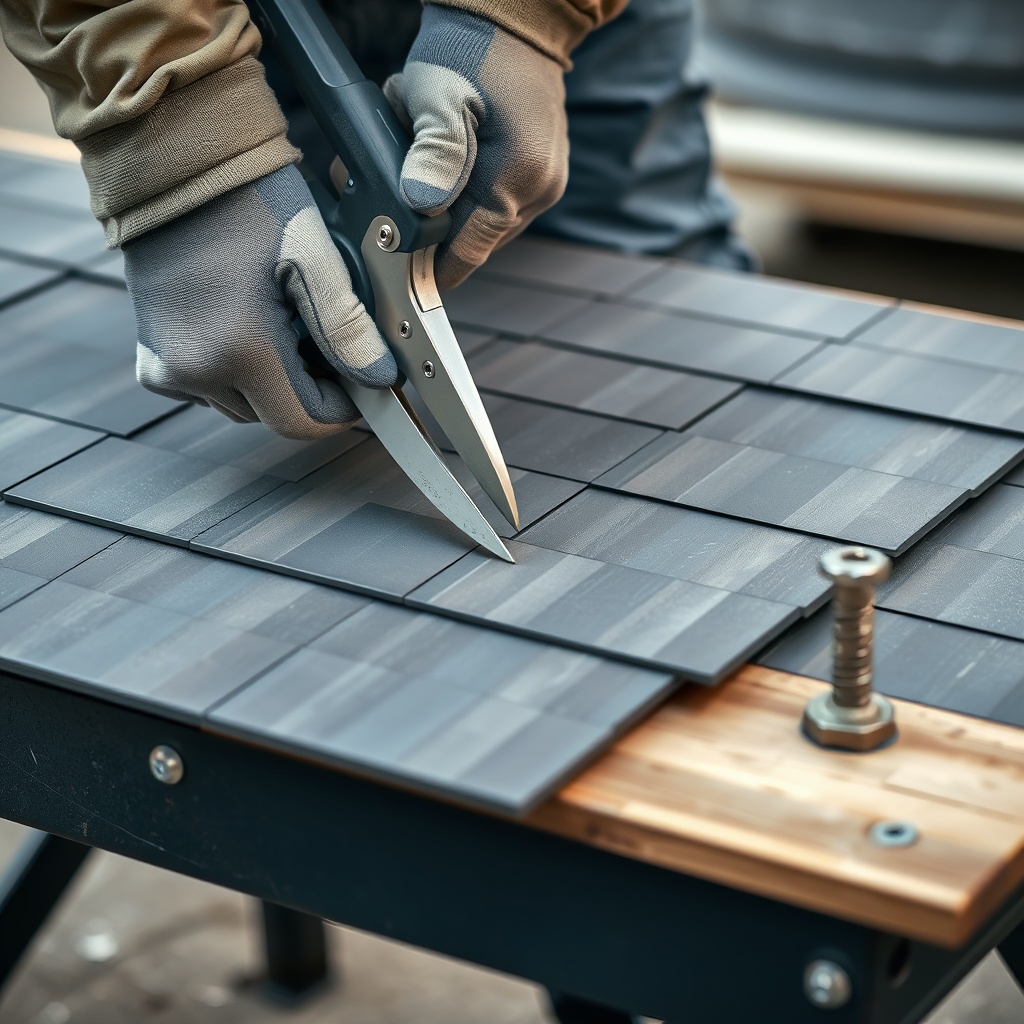
| Metal shears (electric or pneumatic) | Cutting panels to length without burrs; not angle grinders (they burn the coating) |
| Decra nibbler attachment (optional) | Clean cuts for starter and ridge panels |
| Chalk line and speed square | Maintaining straight lines for interlocking patterns |
| Magnetic sweep and drop cloths | Collect steel shavings that can stain the finish |
A mistake many DIYers make is using a standard drill on high speed—this strips the coating off the screw head and leads to early rusting. Every screw must be driven to where the washer just touches the panel surface, not compressed.
What Is the Correct Panel Layout and Fastening Pattern?
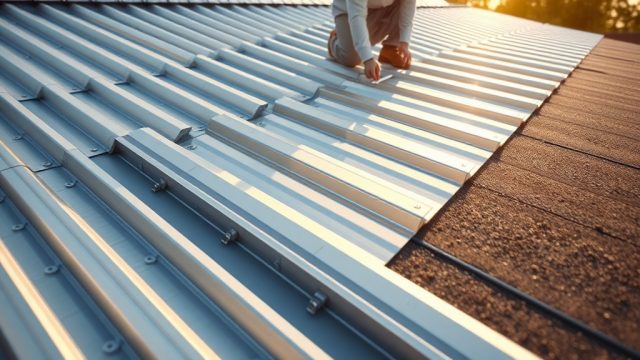
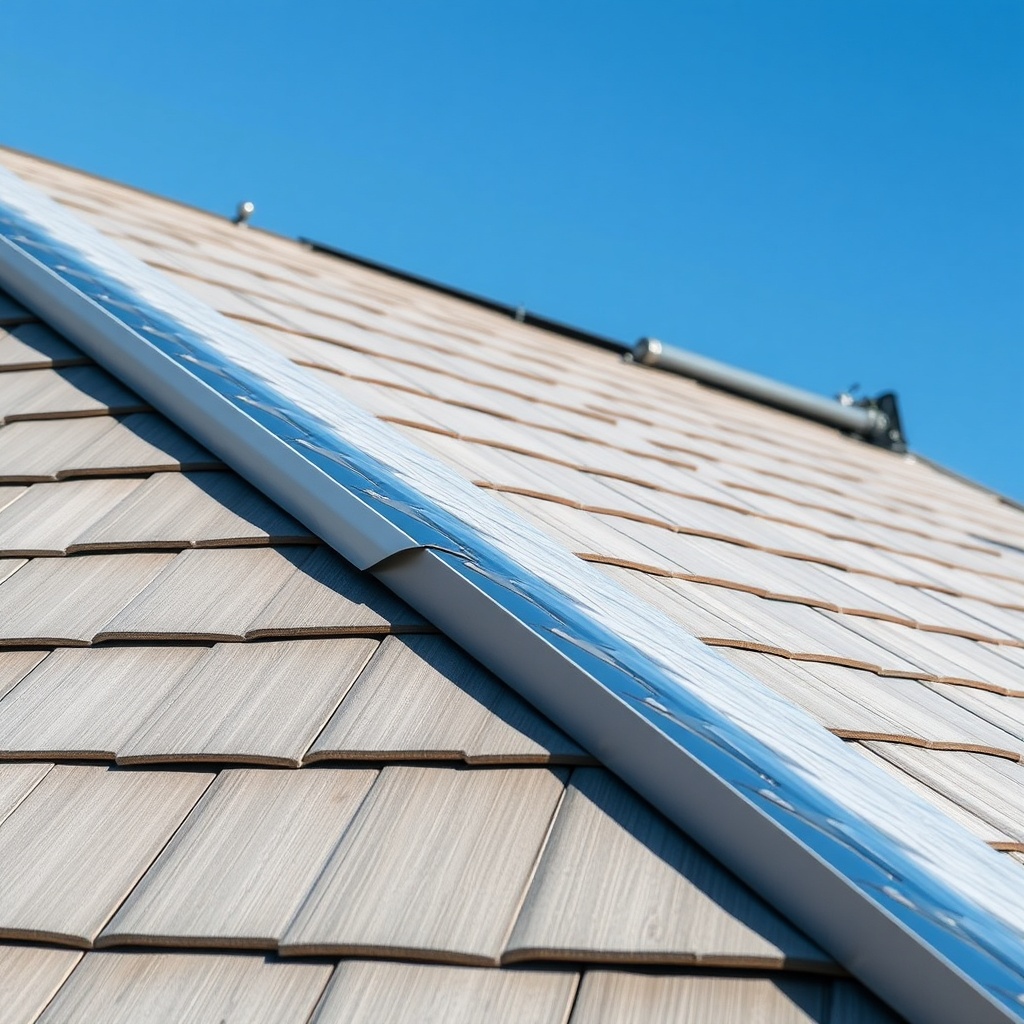
Decra Metal Shake is installed in a staggered pattern similar to real wood shakes, but with mechanical interlocking. Each panel has a “nailing flange” on the top edge. The starter course uses a specialized starter panel, not a cut standard panel. After the starter row, each subsequent course overlaps the previous by exactly 7 inches (the “exposure” is 7 inches per course).
Fastening schedule per panel: four screws per panel in a zigzag pattern across the nailing flange. Screws must be placed at least 1 inch from any edge and driven flush. On hips and ridges, Decra supplies pre-formed ridge caps that match the shake profile, attached with two screws per cap. Valleys require either a closed valley (panels interlocked across the valley) or an open valley with a 24-inch-wide metal valley liner—closed is more watertight but requires more skill.
Thermal Expansion Gaps
At the end of each run (gable side), leave a 3/8-inch gap from the rake trim to allow for thermal expansion. This gap is hidden by the rake trim itself. Never force panels together tightly; they need to breathe. In summer temperatures, the steel can expand up to 1/8 inch over a 40-foot run.
How Long Does Installation Take for a Typical Home?
A three-person crew installing Decra Metal Shake on a 2,000-square-foot roof with moderate complexity (two valleys, one chimney, one skylight) will typically take 8 to 12 working days. Compare this to asphalt shingles (3–5 days) or standing seam (7–10 days). The slower pace is due to the precise cutting, the clip system, and the fact that each panel must be individually aligned for the staggered pattern.
Factors that add time:
- Complex roof geometry (multiple hips, valleys, dormers) can add 30–50% more time
- Removal and disposal of existing roofing (takes 1–2 days)
- Deck repairs—if rotted boards are found, expect an extra day per 100 square feet
- Custom flashing around skylights and chimneys requires field-fabrication
For a straightforward ranch-style home with a 4:12 pitch, you can anticipate about 0.6 man-hours per square (100 sq ft installed). That figure doubles for steep pitches (8:12 and above) where safety harnesses and better temporary work platforms are needed.
What Are the Critical Flashing Details for Decra Metal Shake?
Flashing is where most metal roof failures originate. Decra requires 22-gauge or heavier galvanized steel or aluminum flashing at all penetrations, with a minimum 4-inch overlap on the shake panels. For chimneys, a continuous counter-flashing that extends 2 inches into the masonry joint is mandatory—surface-mounted caulking won’t last two winters.
Pipe penetrations (plumbing vents) use a metal boot with a neoprene gasket, sized to the Decra profile, not universal rubber boots that flatten the shakes. Skylights must have a Decra-approved “safety pan” that diverts any condensation from the skylight frame down to the eave. The warranty requires that all flashing is installed by the same crew that installs the shakes—subcontracting flashing to a third party voids coverage.
What Does a Decra Metal Shake Installation Cost in 2025?
As of early 2025, the installed cost for Decra Metal Shake in the United States averages between $9.50 and $14.00 per square foot, depending on roof complexity, region, and whether tear-off is included. That translates to roughly $19,000 to $28,000 for a 2,000 sq ft roof. The material cost (panels, trim, fasteners, underlayment) accounts for about 45–50% of that total; labor is the rest.
Compared to Decra Metal Shake vs Asphalt Shingles: Cost and Performance, asphalt runs $4–$7 per sq ft installed, so you are paying roughly double. But Decra carries a 50-year limited warranty on the steel substrate and a 30-year finish warranty, versus asphalt’s 20–30 years total. For homeowners planning to stay long-term, the total cost of ownership often favors metal.
Regional variation matters: in the Northeast, expect a 10–15% premium due to labor shortages and code requirements for ice-and-water shields. In the South, labor is slightly cheaper but you may need a reflective coating upgrade (optional, adds $0.50/sq ft). Get at least three itemized quotes—some contractors quote a “square” (100 sq ft) without including flashing and ridge caps.
What Owners Say
Eric from Colorado installed Decra Metal Shake in 2022 on his 1,800 sq ft ranch. “The first thing I noticed was the noise difference—way quieter than standing seam, more like asphalt. But the real surprise was how fast it stopped hailstorms. I had a direct hit with golf-ball-size hail in June 2023. Not a single dent. The asphalt roof next door? Total replacement.”
Marie from Vermont notes: “Our installation took two full weeks because we have a steep 10:12 pitch with three dormers. The crew had to use roof jacks and a bosun chair. Cost was serious—$23,000—but we got a 30-year paint warranty. Last winter we had a 4-foot snow slide off the whole roof in one sheet. That could have been dangerous—I’m adding snow guards next year.”
Tom from North Carolina, a retired contractor, adds: “I’ve installed a lot of metal roofs. Decra’s clip system is better than most because it doesn’t crowd the fasteners. But I’ll tell anyone: do not hire a crew that wants to cut these panels with an angle grinder. The sparks will burn the Kynar finish. You need shears. I had to stop my own crew halfway through the first row and send them for the right tool.”
Frequently Asked Questions
- Can Decra Metal Shake be installed over existing asphalt shingles? No. Decra requires a smooth, clean deck. Installation over any existing roofing voids the warranty—and is against most building codes for re-roofing.
- What happens if a panel gets damaged during installation? Individual panels can be replaced, but it requires removing panels above the damaged one because they interlock. Keep 5–10 extra panels on the job for this reason. Replacement takes about 45 minutes per panel.
- Does the roof need snow guards? Decra recommends snow guards any time the roof pitch exceeds 7:12 or in areas with heavy snowfall. Without them, shed snow can damage gutters and landscaping. Decra offers color-matched snow guards that attach to the panel’s raised rib.
- How is grounding handled for lightning protection? A lightning rod system must be installed with copper or aluminum cables attached to the ridge caps using specialized clamps that don’t penetrate the panel. The metal roof itself does not act as a lightning rod—it’s a conductor but needs a path to ground.
- Can I walk on the Decra Metal Shake roof for maintenance? Yes, using a walking board that spans at least three panel widths. Never step directly on the raised profile—it can dent. Only the flat areas between the shakes are weight-bearing. For chimney access, install permanent roof jacks or step brackets.
- Does the color fade over time? Decra uses a Kynar 500 PVDF coating, which is the same aerospace-grade finish used on commercial buildings. Independent tests show less than 5 NBS units of color change after 20 years in Florida sun—essentially invisible to the naked eye. Darker colors (like black or dark bronze) absorb more heat, which slightly accelerates the process, but still within warranty limits.