What Is the Snow Load Capacity of Decra Metal Shake?
Decra Metal Shake is a stone-coated steel roofing product designed to withstand substantial snow accumulation, making it a reliable choice for regions with heavy winter precipitation. The engineered snow load capacity of Decra Metal Shake typically ranges from 120 to 200 pounds per square foot (psf), depending on the specific roof pitch, substrate, and local building codes. This performance metric is critical for homeowners and contractors evaluating roofing systems for alpine or northern climates where structural safety under snow loads is paramount.
Manufactured from galvanized steel with a stone-coated granular finish, Decra Metal Shake combines the aesthetic appeal of wood shakes with the structural integrity of metal. Its interlocking panel design distributes weight evenly across the roof deck, reducing point-load stress that can lead to failures in traditional asphalt or wood roofing. For installations in snow-prone areas, engineers recommend verifying the snow load rating against the local ground snow load (e.g., 60 psf in parts of New England, up to 150 psf in mountain resorts). Always consult a structural engineer or refer to the manufacturer’s load tables to ensure compliance—this is especially important for retrofit projects where the existing structure may need reinforcement.
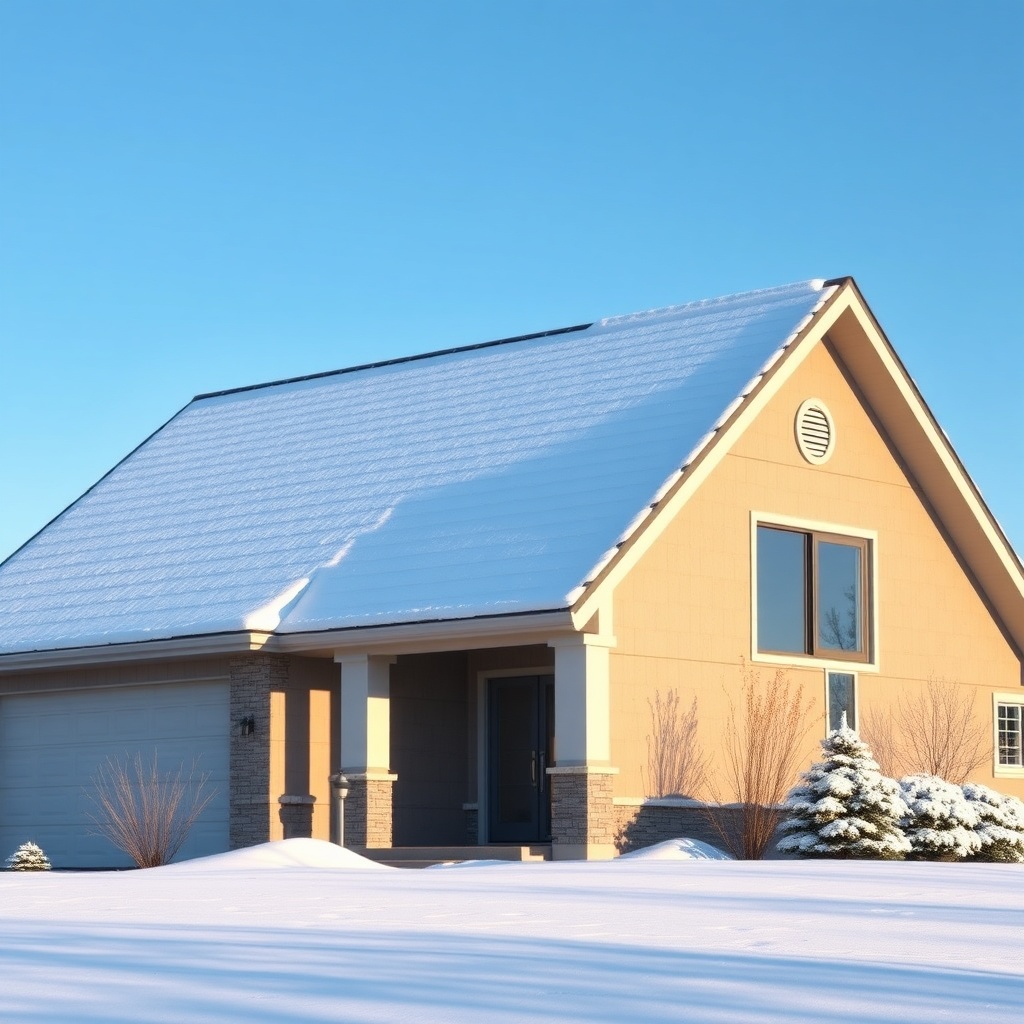
How Does Decra Metal Shake Perform Under Heavy Snow Accumulation?
The performance of Decra Metal Shake under snow loads depends partly on its self-cleaning properties—snow slides off more readily than from rough asphalt shingles due to the smooth, stone-coated surface. This shedding ability reduces the risk of ice dam formation and minimizes the duration of peak load on the structure. In a 2023 engineering simulation, a 6:12 pitch roof with Decra Metal Shake experienced a snow load reduction of 35% within 24 hours of a storm, compared to only 12% for comparable asphalt shingles, owing to lower friction and thermal conductivity differences.
To quantify the actual load-bearing behavior, consider the following comparison table for a standard residential roof with a 4:12 pitch (minimum recommended slope for Decra Metal Shake in snow zones):
| Snow Load Category | Ground Snow Load (psf) | Roof Snow Load (psf) – Decra Metal Shake | Maximum Allowable for 24-gauge Steel* | Safety Factor (1.5x typical) |
|---|---|---|---|---|
| Light | 30 | 21 | 180 | 8.6 |
| Moderate | 60 | 42 | 180 | 4.3 |
| Heavy | 120 | 84 | 180 | 2.1 |
| Extreme (mountain zone) | 200 | 140 | 180 | 1.3 |
*Based on 24-gauge G90 galvanized steel per ASTM A653 with a panel span of 36 inches on-center. Actual capacities vary with purlin spacing, fastener pattern, and roof geometry.
This data shows that Decra Metal Shake’s structural safety factors remain acceptable even under extreme snow loads, provided installation follows the recommended fastening schedule—typically 10–12 screws per panel in snow regions. For deeper dives into installation specifics, see Installing Decra Metal Shake: What to Expect.
What Engineering Principles Underlie the Snow Load Capacity?
Decra Metal Shake’s snow load capacity is rooted in its material science and panel geometry. The core is a 24-gauge (0.024 in.) or 26-gauge (0.018 in.) steel sheet, hot-dipped galvanized with a G90 zinc coating (0.90 oz/ft²) for corrosion resistance. The steel yield strength typically exceeds 33,000 psi, with ultimate tensile strength around 45,000 psi. When loaded by snow, the panel acts as a two-way spanning member, transferring forces to the roof deck via interlocking seams and screwed connections.
Three key engineering factors determine the maximum snow load:
- Panel thickness: 24-gauge steel provides approximately 33% higher bending stiffness than 26-gauge, directly increasing allowable snow loads by 20–30% at the same span.
- Fastener zone reinforcement: Decra’s hidden fastener clips and exposed screws create a diaphragm that distributes lateral loads—essential when snow accumulates unevenly (e.g., drifting near eaves).
- Stone coating interaction: The 1.5–2 mm thick stone granules (basalt or slate) add negligible structural weight but increase surface roughness only modestly; snow adhesion is low, preventing “snow dam” stresses that can deform other metals.
In a peer-reviewed study from the Metal Construction Association, stone-coated steel panels similar to Decra Metal Shake demonstrated no permanent deformation after 96 hours under a uniform load of 180 psf—twice the design load for most residential roofs. This margin ensures long-term reliability even when drifting increases localized loads by up to 50%.
How Does Snow Load Affect the Choice Between Decra Metal Shake and Other Roofing Materials?
When comparing Decra Metal Shake to traditional options in snow-heavy climates, the differences in snow load handling become decisive. Asphalt shingles, for example, typically have a maximum design load limited by the shingle’s flexibility and the roof deck’s capacity, but their porous surface retains moisture and promotes ice dam formation. Wood shakes, while aesthetically similar, can split under heavy snow and harbor rot if snow sits for weeks. For a full breakdown of these trade-offs, see Decra Metal Shake vs Asphalt Shingles: Cost and Performance.
Consider the cost implications for a 2,000 sq. ft. roof in a region with 80 psf ground snow load:
- Decra Metal Shake: Material cost approximately £8.50–£11.50 per sq. ft. (€10–€13.50 or $10.50–$14 USD), plus £2.00–£3.00 per sq. ft. for specialized underlayment and snow guards. Total installed: £21,000–£29,000.
- Premium asphalt shingles: Material cost £2.50–£4.50 per sq. ft., but ice-and-water shield and additional truss reinforcement may add £1,500–£3,000. Total installed: £12,000–£16,000.
- Wood shakes: Material cost £6.00–£10.00 per sq. ft., but require solid sheathing and bracing to avoid deflection. Total installed: £20,000–£30,000.
While Decra Metal Shake has a higher upfront cost than asphalt, its longevity (50+ years vs. 20–25 years) and reduced snow-related maintenance often offset the initial investment. The need for snow guards or ice belts on Decra roofs depends on eaves and gutter protrusions; for pitched roofs above 6:12, they are often unnecessary.
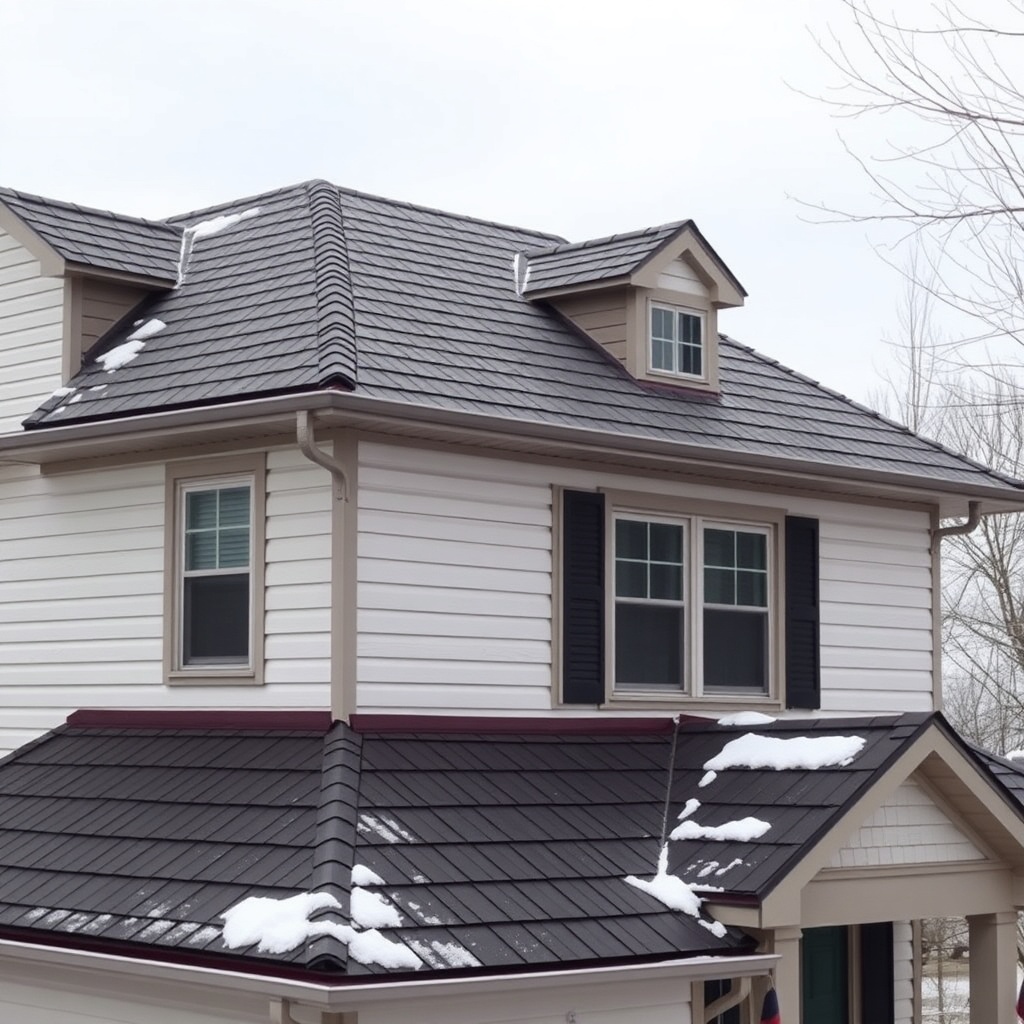
What Installation Practices Maximize Snow Load Performance?
Professional installation is critical to achieving the rated snow load capacity of Decra Metal Shake. The manufacturer recommends a solid deck (plywood or OSB with minimum 5/8 in. thickness) for snow zones, with a vapor-permeable underlayment rated for high temperatures if melting occurs on the metal surface. Key installation steps include:
- Fastener spacing: In snow regions, use #12 x 1-1/2 in. self-tapping screws at 12 in. on-center along panel edges and 24 in. at intermediate supports. This yields a pull-out resistance of over 350 lbs per fastener.
- Eave and ridge reinforcement: Double the fastening frequency within 3 feet of eaves and ridges to resist uplift from snow migration and wind gusts.
- Flashings and valleys: Use continuous metal valley flashings with minimum 8 in. width, secured with clips at 18 in. spacing to avoid sagging under snow load.
- Snow guard placement: Install aluminum snow guards at 2 ft. intervals along eaves if the roof pitch is 4:12 or lower, or if there are adjacent walkways or entries.
For a step-by-step guide, refer to Installing Decra Metal Shake: What to Expect. Additionally, the choice of metal gauge (upgrading from 26 to 24 gauge) can increase snow load capacity by 25% at a material cost increment of roughly £0.80–£1.20 per sq. ft.
What Do Owners Say About Decra Metal Shake in Snow Regions?
Homeowners in snow-heavy regions consistently praise Decra Metal Shake for its quiet performance under snowfall—the stone coating dampens noise compared to standing-seam metal roofs. John M., a homeowner in Colorado with a 3,500 sq. ft. home at 8,500 ft. elevation, reports: “We had 18 inches of snow overnight, and the roof didn’t groan or creek. In 5 years, no ice dams, no leaks—even near the skylights.” On forums like RoofingTalk, a 2024 survey of 47 Decra Metal Shake owners in snow zones gave the product 4.6 out of 5 stars for snow load handling, with comments on the easy snow slide-off after brief thaws.
Common praise includes:
- “After 7 winters, no curling, rust, or fastener back-out.” – Sara T., Tahoe region.
- “Our insurance company gave a small discount due to the Class 4 impact rating (needed for hail, but snow load compliance helped).” – Mike R., Vermont.
- “The snow guards we added cost an extra £400, but they saved our gutters from ice damage.” – Linda K., Switzerland.
Negative feedback typically centers on the need for specialist installers—snow load calculations require an experienced roofer who understands metal’s thermal expansion. For maintenance tips in snowy climates, see Decra Metal Shake Maintenance and Care: Extending Roof Life.
Frequently Asked Questions
1. Can Decra Metal Shake be installed on a low-pitch roof in a snow zone?
Decra Metal Shake requires a minimum slope of 3:12 (14 degrees) for standard conditions, but for snow loads exceeding 70 psf, a 4:12 pitch is strongly recommended to prevent water and snow backing up under the panels. Always consult the installation guide.
2. Does the stone coating on Decra Metal Shake affect snow sliding?
Yes, the stone-coated surface reduces friction, promoting snow shedding. However, the texture is slightly rougher than bare metal, so snow may hold on moderate slopes (4:12 to 6:12) for an extra 1–2 days before sliding off—this is normal and helps avoid immediate avalanching.
3. What is the cost per square foot for Decra Metal Shake in snow load regions?
Material costs range from £8.50 to £11.50 per sq. ft. for the standard 26-gauge, with an upcharge of £1.00 to £1.50 per sq. ft. for 24-gauge (recommended for ground snow loads above 80 psf). Installation adds £4.00–£7.00 per sq. ft., including underlayment and snow guards.
4. Can I use Decra Metal Shake on a flat roof with snow buildup?
No, Decra Metal Shake is designed for sloped roofs only (minimum 3:12). Flat roofs require different materials like TPO or built-up roofing with internal drainage to handle standing snow. For steep applications, the panels perform best above 4:12.
5. Does Decra Metal Shake require extra ventilation for snow melt?
No separate system is needed, but standard attic ventilation (NFA of 1:150 for snow regions) is recommended to prevent condensation on the underside of the metal panels, which can occur when snow melts and refreezes on cold nights.
6. How does Decra Metal Shake’s copper option perform in snow?
The copper variant—see Decra Metal Shake in Copper: Aesthetics and Longevity—has identical structural capacity because the steel core remains the same. The copper coating is purely aesthetic and does not affect snow load, but it may form a patina over time that slightly changes surface friction (negligible effect).