What Is Copper Classic Rib Metal Roofing?
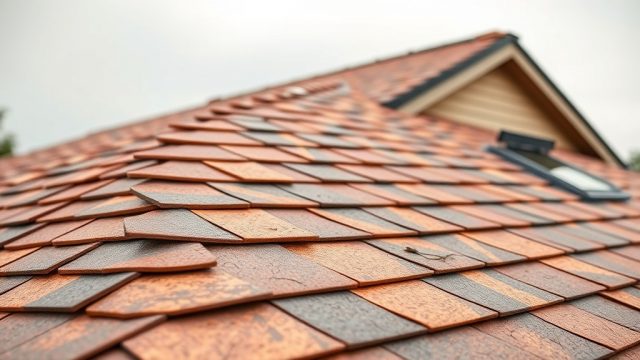
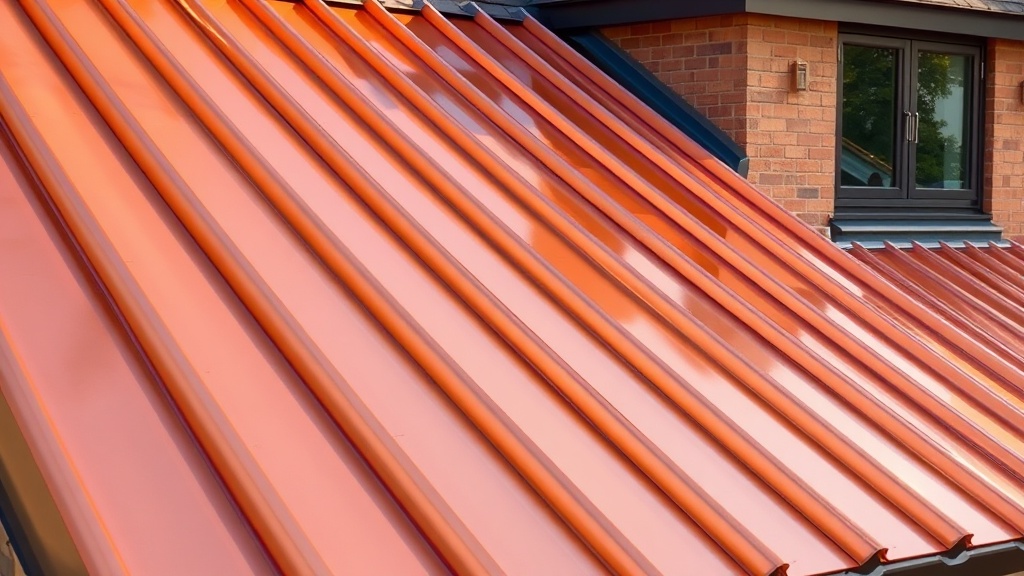
Copper Classic Rib metal roofing combines the timeless appeal of natural copper with the structural efficiency of a trapezoidal panel profile. This system features raised ribs spaced 12 to 16 inches apart, creating clean vertical lines that enhance both residential and commercial architecture. Unlike Classic Rib Steel Roofing: Pros, Cons & Cost Analysis, copper develops a distinctive patina over time, evolving from bright penny-orange to rich browns and finally to a soft blue-green. This living finish adds character while providing exceptional corrosion resistance, making it a premium choice for properties where longevity and aesthetics matter most.
How Much Does Copper Classic Rib Roofing Cost Per Square Foot?
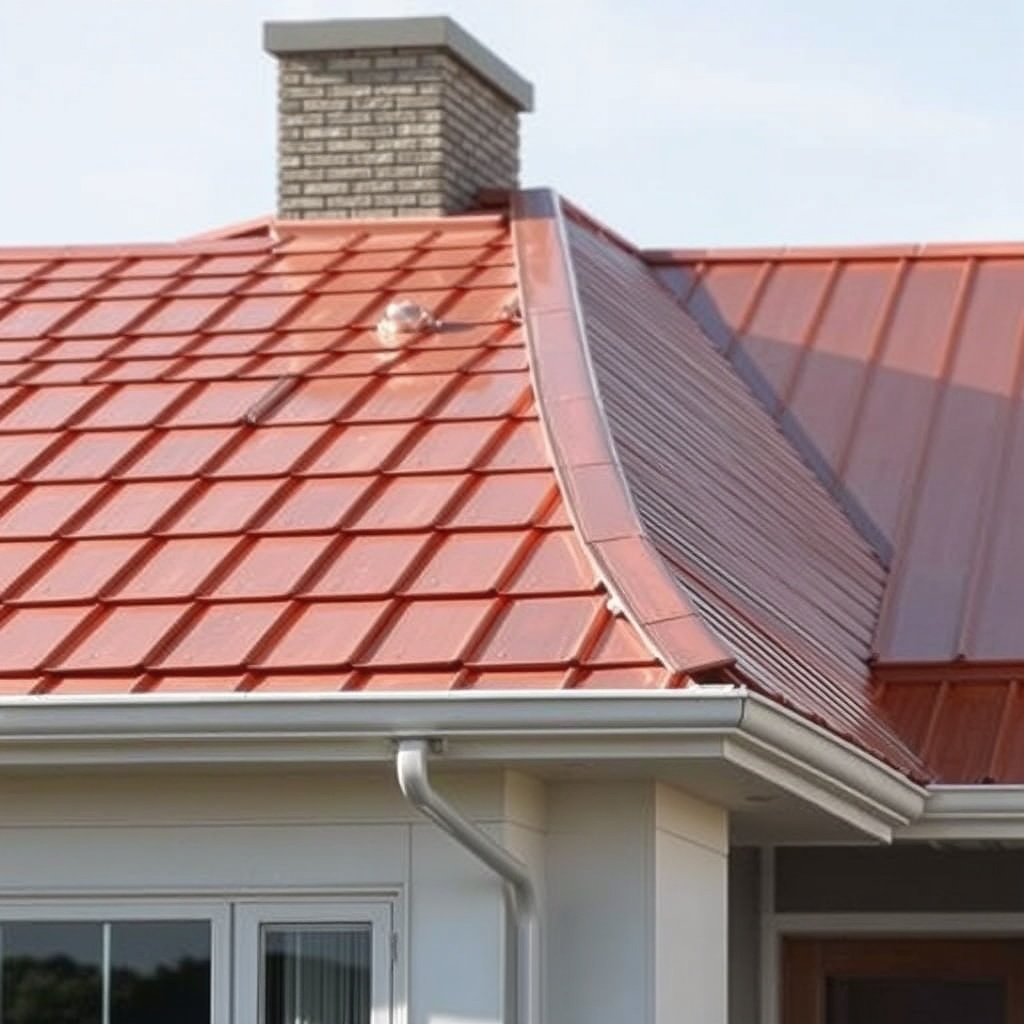
Copper Classic Rib roofing carries a premium price point due to material costs and specialized labor. In the United Kingdom, expect to pay between £18 and £35 per square foot installed, depending on roof complexity, panel gauge, and local labour rates. The copper itself ranges from £12 to £22 per square foot for the material alone, with 16-ounce and 20-ounce copper sheets being the most common gauges. A 2,000-square-foot roof typically costs £36,000 to £70,000 total. By comparison, steel Classic Rib averages £8 to £15 per square foot installed. For a detailed breakdown of the material versus labour split, refer to the table below.
| Component | Low-End (£) | Mid-Range (£) | High-End (£) |
|---|---|---|---|
| Copper Material (16 oz) | £12 | £16 | £22 |
| Underlayment & Fasteners | £2.50 | £4 | £6 |
| Labour (Installation) | £6 | £10 | £14 |
| Total Installed Cost | £20.50 | £30 | £42 |
Note: Prices may vary by region and contractor expertise. A Classic Rib vs Standing Seam: Which Is Better? comparison can help clarify which profile suits your budget and design goals.
What Is the Return on Investment for Copper Classic Rib?
Copper Classic Rib roofing offers strong long-term ROI despite its upfront cost. Homeowners typically recoup 70% to 85% of the investment at resale, with copper roofs lasting 80 to 100 years or more when properly maintained. Energy savings add another layer of value: copper’s reflective properties reduce cooling costs by 10% to 25% in summer months. Over a 50-year period, the total cost of ownership for copper is often lower than asphalt shingles when factoring in replacement cycles. An average UK homeowner might see £15,000 to £30,000 in added property value, plus £3,000 to £5,000 in energy savings over the first two decades. For ongoing care tips, see Maintaining Your Classic Rib Roof: Cleaning and Repairs.
What Design Options Exist for Copper Classic Rib Roofing?
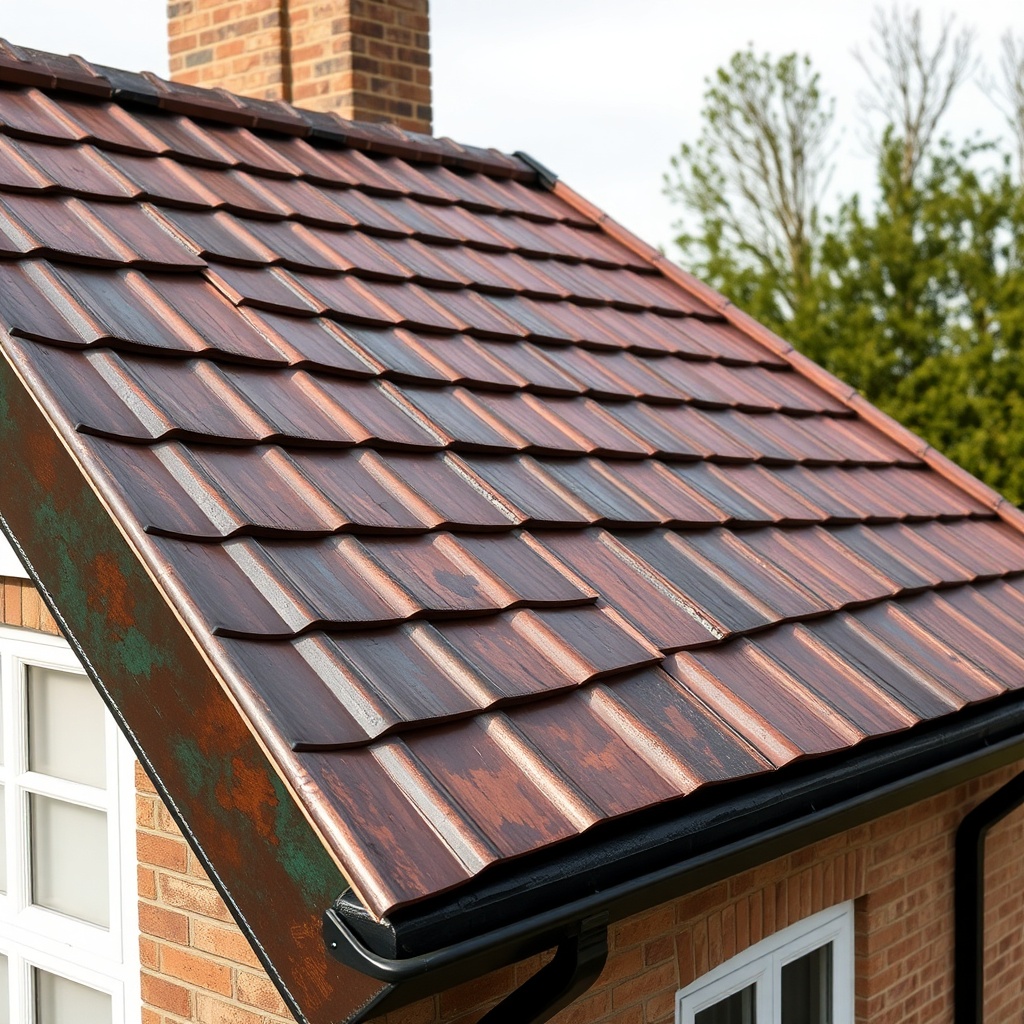
Copper Classic Rib offers several design options that go beyond standard profiles. Panel widths commonly include 12-inch and 16-inch rib spacing, with rib heights of 1.5 to 2.5 inches for structural depth. Finish options range from mill-finish bright copper to pre-patinated or zinc-alloy blends that accelerate the aging process. Custom flashings, ridge caps, and fascia trims allow seamless integration with stone, brick, or timber façades. Architects often pair copper Classic Rib with standing seam copper for accent sections, or use it as a complete envelope on contemporary builds. The material can also be formed into curved panels for barrel vaults or dormer windows, adding sculptural interest.
How Does Copper Classic Rib Compare to Other Metal Roofing Materials?
Choosing between copper and other metals involves weighing longevity, aesthetics, and budget. Copper outperforms steel and aluminium in corrosion resistance, particularly in coastal or industrial environments. Steel Classic Rib, while cost-effective, may require protective coatings that degrade over decades. Aluminium is lighter and resistant to rust but lacks copper’s natural patina and ultimate lifespan. Zinc stands as the closest competitor, with a similar self-healing patina and 80-year lifespan, but copper offers a warmer colour palette. For a direct profile comparison, consult Classic Rib vs Standing Seam: Which Is Better?. Below is a performance summary:
| Property | Copper | Steel (Galvalume) | Aluminium |
|---|---|---|---|
| Average Lifespan | 80–100+ years | 40–60 years | 50–70 years |
| Cost per sq. ft. installed | £18–£35 | £8–£15 | £10–£18 |
| Corrosion Resistance | Excellent | Good (with coating) | Very Good |
| Patina Development | Yes (natural) | No | No |
| Maintenance Requirements | Low | Moderate | Low |
What Do UK Homeowners Say About Copper Classic Rib?
Owners consistently praise copper Classic Rib for its durability and distinctive look. Many emphasize that the initial investment pays off through minimal maintenance and rising property value. One Yorkshire homeowner noted that after 15 years, their copper roof required only a single cleaning and still looked stunning against the local stone. Another in Cornwall appreciated how the patina developed differently on north and south faces, creating a dynamic façade. A few caution about the need for experienced installers, as cutting and folding copper demands skill to avoid oil-canning and uneven seams. For step-by-step guidance, review How to Install Classic Rib Metal Roofing: Step-by-Step Guide. The consensus: copper Classic Rib is a lifelong solution that becomes a conversation piece.
Frequently Asked Questions
How long does copper Classic Rib roofing last?
With proper installation and minimal maintenance, copper Classic Rib roofs last 80 to 100 years or longer. Many examples in Europe exceed a century of service.
Does copper Classic Rib require special underlayment?
Yes, copper reacts with certain materials. Use a high-temperature underlayment designed for copper, and avoid direct contact with pressure-treated wood or galvanized steel fasteners to prevent galvanic corrosion.
Can copper Classic Rib be installed over existing shingles?
Most building codes require removal of old shingles to ensure proper ventilation and flat substrate. Copper panels need a solid, clean deck for optimal performance.
How does copper Classic Rib handle hail or high wind?
Copper is malleable yet strong. Thicker gauges (16 or 20 oz) resist denting from hail, and the interlocking rib design withstands winds up to 120 mph when installed correctly.
Will copper Classic Rib discolour other building elements?
Copper runoff can stain lighter stone or concrete below. Install proper drip edges, gutters, and consider a zinc-alloy blend if runoff is a concern on light-coloured surfaces.
How do you clean copper Classic Rib without damaging the patina?
Use a soft brush and a mix of mild soap with water. Avoid pressure washing or abrasive chemicals. For heavily weathered roofs, consult a copper roofing specialist.