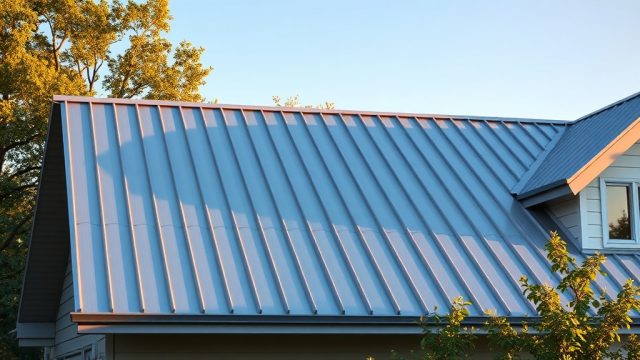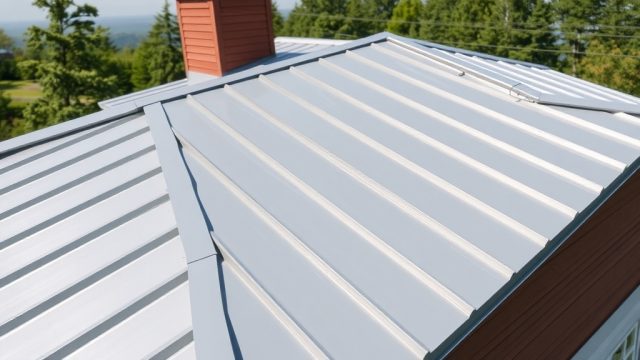
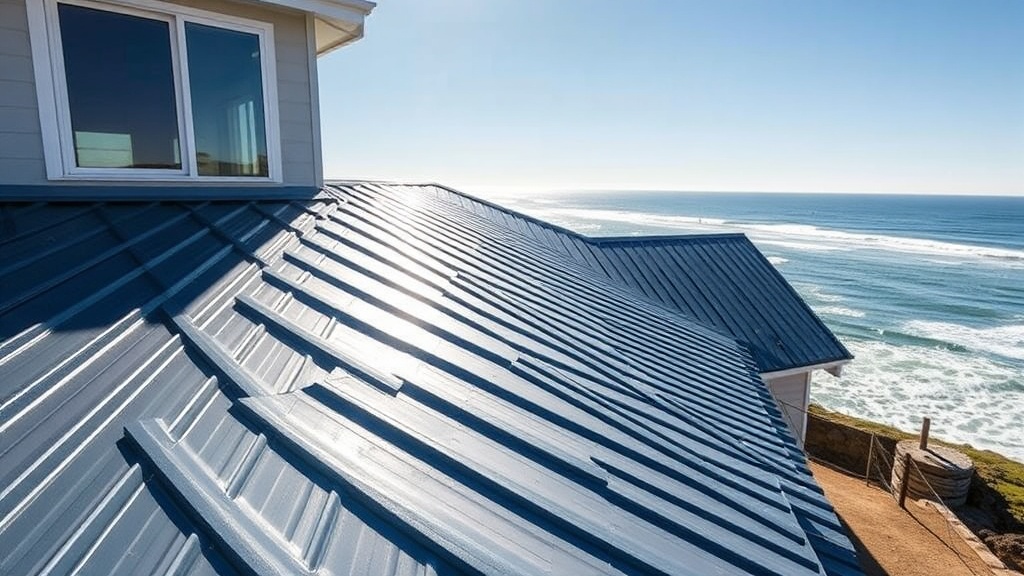
What Makes Standing Seam Pro in Zinc a Superior Choice for Coastal Roofing?
Standing Seam Pro in zinc is engineered to meet the demanding conditions of coastal environments, where salt spray, high humidity, and strong winds challenge even the most robust roofing materials. This specialized system combines the inherent durability of zinc with the proven performance of a standing seam profile, delivering exceptional weather resistance and extended service life. For homeowners and builders along the Atlantic or Pacific coasts, this roofing option represents a significant investment in long-term protection and aesthetic integrity.
How Does Zinc’s Natural Patina Enhance Weather Resistance?
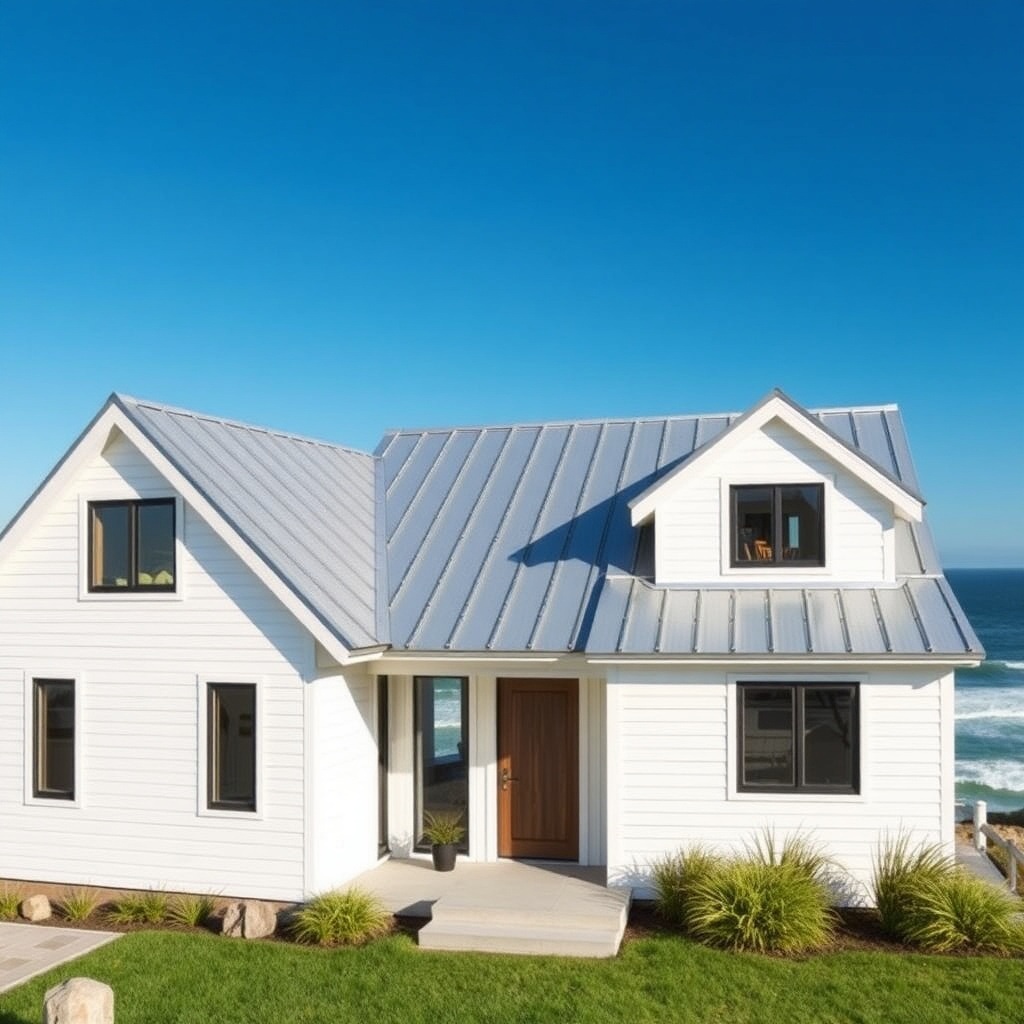
Zinc roofing is unique for its self-healing patina, a protective layer that forms naturally over time through exposure to the elements. When Standing Seam Pro is installed in zinc, this patina acts as a barrier against corrosion—critical in coastal zones where airborne salt accelerates deterioration in other metals. The patina develops in stages: initially a light gray, deepening to a matte blue-gray after several months, and eventually a stable, uniform finish that lasts decades. Unlike painted or coated systems, this patina does not require maintenance or reapplication, making Standing Seam Pro in zinc a low-upkeep choice for seaside properties. The material’s natural resistance to galvanic corrosion also means it performs well when in contact with other building components, such as copper or stainless steel flashings, without risk of electrolytic damage.
What Performance Specifications Does the Standing Seam Pro Zinc System Offer?
The performance of Standing Seam Pro in zinc is defined by precise engineering metrics tailored for coastal conditions. Below is a comparison table outlining key specifications against a standard coated steel system:
| Property | Standing Seam Pro (Zinc) | Standard Coated Steel |
|---|---|---|
| Corrosion Resistance (Salt Spray Test) | >10,000 hours (ASTM B117) | ~1,500 hours |
| Expected Lifespan (Coastal) | 80–100 years | 20–30 years |
| Wind Uplift Rating | UL 90+ (Class 4) | UL 60–90 |
| Thermal Expansion Coefficient | 0.000022 mm/mm/°C (low) | 0.000012 mm/mm/°C |
| Patina Self-Healing | Yes, natural | No |
| Weight per Square (100 sq ft) | ~150 lbs (lightweight) | ~250 lbs |
| Fire Rating | Class A | Class A |
These figures demonstrate that Standing Seam Pro in zinc excels in the two primary stressors of coastal environments: corrosion and wind. The low thermal expansion coefficient reduces stress on fasteners and seams during temperature fluctuations, while the lightweight profile lessens structural load requirements—an advantage for retrofitting older coastal homes.
How Does Standing Seam Pro Install Differently for Zinc in Coastal Areas?
Installing Standing Seam Pro in zinc requires specialized practices to ensure long-term performance, especially in salt-laden air. Unlike aluminum or steel, zinc is softer and demands careful handling to avoid surface marking. The installation process begins with a continuous deck underlayment, typically a high-temperature resistant membrane (e.g., ice and water shield), to prevent moisture ingress from condensation or wind-driven rain. The zinc panels are then mechanically seamed using a portable seaming machine, creating a weathertight joint that can expand and contract without compromising the seal. For coastal installations, all fasteners must be stainless steel (Type 316) rated for marine environments, and flashings should be pre-finished to match the zinc’s eventual patina. A critical step is the integration of snow guards and sealing components to manage ice dams in colder coastal climates, as well as to prevent wind uplift at eaves and ridges. Proper installation by a certified contractor familiar with zinc’s unique properties—such as its tendency to ‘work harden’ during forming—is essential to avoid premature failure.
It is also important to note that Standing Seam Pro in zinc should not be installed directly over copper or bare steel due to galvanic corrosion risks. A separation layer, such as a bituminous membrane, is required wherever dissimilar metals meet. For a deeper dive into installation steps, refer to our Standing Seam Pro Installation: Key Steps and Best Practices guide. Coastal conditions often necessitate additional flashing details at corners and penetrations, which can increase installation time by 15–20% compared to inland projects.
What Cost Factors Should You Expect for Standing Seam Pro Zinc Roofing?
The cost of Standing Seam Pro in zinc is significantly higher than standard roofing materials, reflecting its premium lifespan and performance. In coastal markets like Florida or California, the installed price typically ranges from $20 to $35 per square foot for zinc, compared to $10–$15 per square foot for standing seam steel or $8–$12 for asphalt shingles. This investment, however, yields an expected service life of 80–100 years with minimal maintenance, translating to a lower annualized cost over time. Additional factors that influence price include roof complexity (pitch, valleys, skylights), local labor rates, and the current market price for zinc (approximately $2.50–$3.50 per pound). Homeowners in hurricane-prone zones may also need to upgrade the structural deck to meet wind code requirements, adding $1,000–$3,000 to the overall project. For a comparative analysis with steel, see our Standing Seam Pro in Steel: Full Cost Breakdown and Value Analysis article. Despite the upfront expense, many coastal property owners find that the combination of durability, energy efficiency, and aesthetic appeal justifies the premium.
How Does Standing Seam Pro Zinc Compare to Aluminum in Coastal Settings?
Both zinc and aluminum are popular choices for coastal roofing due to their corrosion resistance, but they differ in key performance areas. Aluminum is lighter, more affordable (typically $12–$18 per square foot installed), and highly resistant to salt corrosion, but it lacks the self-healing patina of zinc and is more prone to denting from impact (e.g., hail or falling debris). Standing Seam Pro in zinc, by contrast, offers superior lifespan and a more natural, evolving finish that many homeowners prefer for historic or architecturally significant homes. However, zinc is softer than aluminum and can be damaged by foot traffic during maintenance, requiring careful planning for access points and walk pads. For a full comparison of aluminum’s benefits, read our Standing Seam Pro Aluminum Roofing: Durability & Performance review.
What Energy Efficiency Benefits Does Zinc Provide in Coastal Sun?
Zinc’s natural reflective properties contribute to energy efficiency, particularly in sunny coastal regions where cooling costs are high. The metal’s ability to reflect solar radiation reduces heat absorption, lowering attic temperatures by up to 30% compared to dark asphalt shingles. Standing Seam Pro in zinc can be paired with continuous ridge ventilation and radiant barriers to further enhance thermal performance. Additionally, zinc roofing is 100% recyclable at end of life, supporting sustainable building practices. For homeowners seeking LEED certification or simply lower utility bills, the system’s cool-roof attributes are a measurable advantage. To learn more about optimizing energy savings with metal roofing, see our Standing Seam Pro Aluminum: Energy Efficiency and Insulation Guide, though zinc offers similar benefits with even greater longevity.
What Do Coastal Homeowners Say About Their Standing Seam Pro Zinc Roofs?
Owners of Standing Seam Pro zinc roofs in coastal areas consistently report high satisfaction with the system’s performance and appearance. One homeowner in Cape Cod, Massachusetts, noted that after five years, the patina had developed evenly, blending seamlessly with the surrounding beach landscape. “We get compliments from neighbors all the time, and the roof has held up through three nor’easters without a single leak,” they shared. A property manager in Charleston, South Carolina, highlighted the low maintenance requirements: “Unlike the painted steel roofs we’ve managed before, this zinc one doesn’t need repainting or corrosion touch-ups. It just sits there and looks great.” Common positive feedback includes the roof’s quietness during rainstorms (due to the insulating underlayment) and its resistance to salt staining. However, some owners caution about the learning curve for contractors: “Make sure your installer has specific zinc experience. Our first contractor used the wrong fasteners, and we had to re-do the eaves.” For ongoing care tips, the Care Tips for Standing Seam Pro Roofs: Snow Guards & Sealing guide provides practical advice from experienced homeowners.
Another owner in Bar Harbor, Maine, praised the roof’s ability to handle heavy snow loads: “The standing seam design allowed snow to slide off naturally without ice damming, which was a constant problem with our old shingles.” Overall, the feedback underscores that informed installation and realistic expectations about the patina process are key to full satisfaction.
Frequently Asked Questions
1. Does Standing Seam Pro zinc require any special cleaning in coastal areas?
No, zinc’s patina naturally resists dirt and salt buildup. Periodic rinsing with fresh water (once or twice a year) is sufficient to remove salt deposits in high-exposure coastal zones. Avoid abrasive cleaners or pressure washing, which can damage the patina’s early development.
2. How long does the patina take to fully develop on a Standing Seam Pro zinc roof?
The patina typically begins to form within 3–6 months of installation, with a stable blue-gray appearance achieved after 1–2 years in coastal environments. Humidity and salt spray accelerate this process, so homeowners in humid regions may see the final color sooner.
3. Can Standing Seam Pro zinc be installed on roofs with a low slope?
Yes, the system is designed for slopes as low as 2:12 (17 degrees), provided the installation uses a continuous seam with a mechanical seamer and a high-temperature underlayment. For slopes below 2:12, additional waterproofing measures may be required, and a consultation with the manufacturer is recommended.
4. Is Standing Seam Pro zinc more expensive to insure than traditional roofing?
In coastal regions, insurance discounts of 5–15% are often available for Class 4 impact-resistant metal roofing, which includes Standing Seam Pro zinc. However, premium materials may slightly increase replacement cost coverage. Consult your insurance agent for specific policy impacts.
5. What is the warranty coverage for Standing Seam Pro zinc in coastal environments?
Manufacturers typically offer a 30–50 year non-prorated warranty against perforation from corrosion for zinc panels, with a separate 10–15 year finish warranty for sealants and flashings. Coastal zones may have warranty exclusions for hurricane damage, so verify coverage terms before purchase.
6. How does Standing Seam Pro zinc compare to copper for coastal roofing?
Both metals develop protective patinas and last 80+ years in coastal settings. Zinc is lighter, less expensive (copper can cost $30–$50 per square foot installed), and has a lower galvanic reaction risk with other building materials. Copper, however, offers a distinct warm patina and higher tensile strength. For more details, explore our Standing Seam Pro in Zinc: Premium Roofing Choice article.