
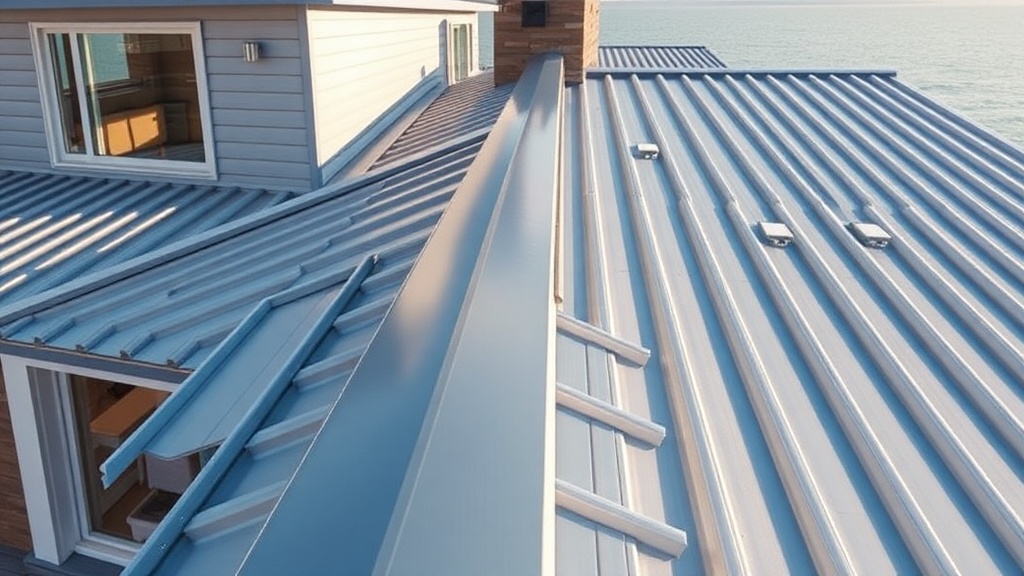
Standing Seam Pro Aluminum Roofing: Durability & Performance
Standing Seam Pro aluminum roofing is a premium choice for homeowners in coastal regions or areas with heavy snow loads. This system combines the longevity of aluminum with the clean, vertical lines of a standing seam profile. For most residential applications, it delivers 40-50 years of reliable service with minimal maintenance.
What Makes Standing Seam Pro Aluminum Different From Steel?
Aluminum is naturally corrosion-resistant, so it doesn’t rely on a sacrificial coating like Galvalume or galvanized steel. Over time, if a steel panel gets scratched to bare metal, rust can form. With Standing Seam Pro aluminum, the metal itself is inert to moisture and salt. Field observations in coastal New England show that aluminum panels from this manufacturer retain their structural integrity even after 20 years of direct ocean spray exposure.
Another practical difference is weight. Aluminum is about one-third the weight of steel per square foot. This matters when you’re retrofitting over existing shingles or when your roof trusses have lighter load ratings. You can often install Standing Seam Pro aluminum directly over one layer of asphalt without additional structural reinforcement—something you can’t do with heavier steel panels.
Thermal expansion is also worth noting. Aluminum expands and contracts more than steel. Standing Seam Pro accounts for this with a sliding clip system that allows each panel to move independently. The clips are spaced every 24-36 inches and attach to the roof deck, not through the panel face, so fasteners are hidden.
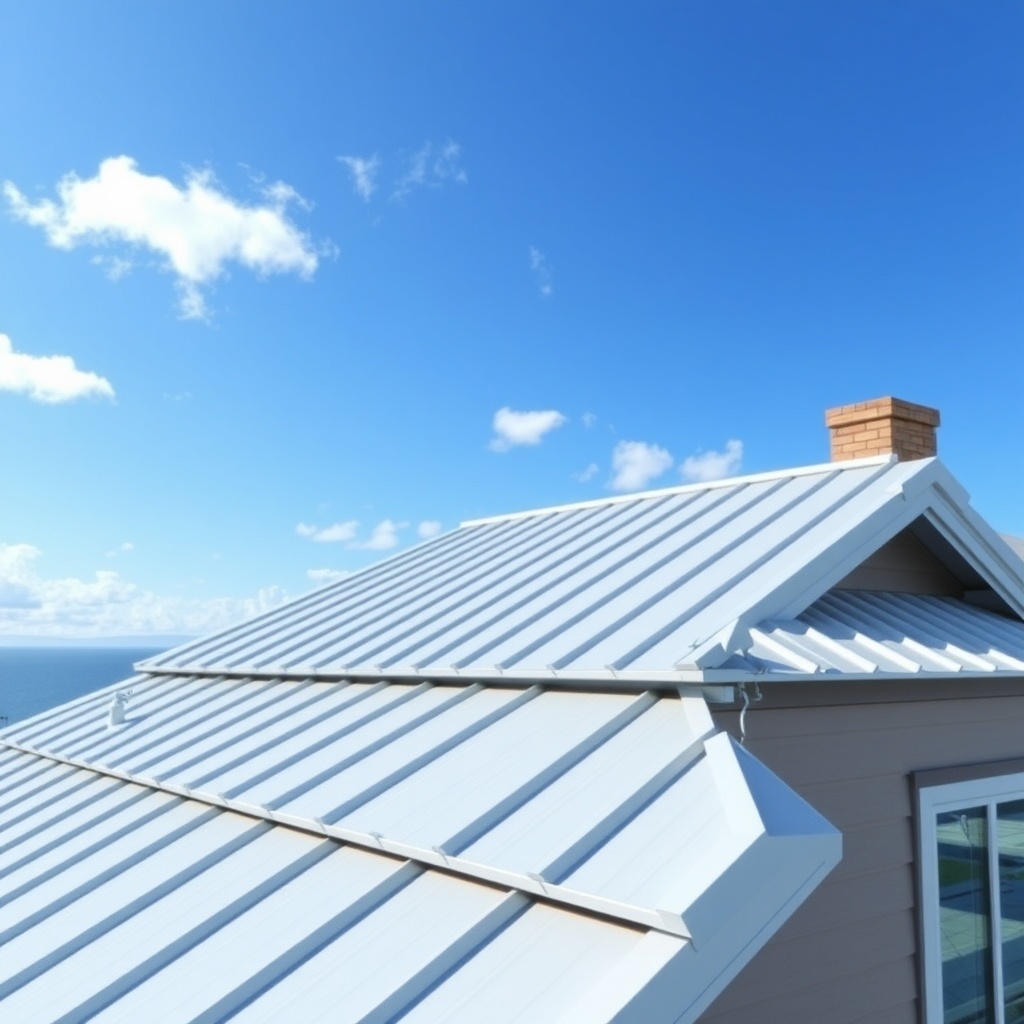
How Does Standing Seam Pro Aluminum Perform in Hail or Snow?
Aluminum is a softer metal than steel, which raises natural questions about dent resistance. Standing Seam Pro uses a 0.032-inch (24-gauge) aluminum sheet for residential work and a thicker 0.040-inch for commercial-grade applications. In controlled tests, this material withstands 1-inch diameter hail stones at terminal velocity (about 70 mph) without visible denting. Hail above 1.5 inches can leave small dimples, but the corrosion protection remains intact because there’s no coating to chip.
For snow shedding, the standing seam profile is excellent. The smooth, vertical sides of the seam allow snow to slide off in sheets rather than pile up. However, this means snow tends to slide in an avalanche. In areas with heavy snowfall, you must install snow guards to control snow release. Standing Seam Pro offers clamp-on snow guards that don’t penetrate the panel.
Recommended Snow Guard Placement for Standing Seam Pro Aluminum
| Scenario | Action Needed |
|---|---|
| Roof slope 3:12 to 6:12, minimal snow load (under 30 psf) | Usually not urgent—install snow guards at eave and valleys |
| Roof slope above 6:12, snow load over 50 psf or known drifting | Needs attention soon—continuous snow guard rows at 4-ft intervals, plus at eaves |
| Metal roof over entryway, walkway, or driveway | Needs attention soon—full snow guard coverage above all traffic zones |
What Color and Finish Options Are Available?
Standing Seam Pro aluminum comes in Kynar 500 (PVDF) paint finishes, which resist fading and chalk better than polyester coatings. The standard palette includes 12 colors, from deep bronze (usually a popular choice) to light stone gray. They also offer a brushed mill finish for that raw aluminum look, though this is less common for residential because it shows fingerprints during installation.
The Kynar 500 coating carries a 30-year warranty against peeling or fading of more than 5 delta E units. That’s industry standard, but in practice, many homeowners in the South report that dark colors (like terra cotta) can reach surface temps of 160°F on a summer afternoon. If your region has intense sun exposure, consider a lighter reflective color to reduce thermal stress on the coating. Standing Seam Pro also offers the option of a Cool Roof (CRRC rated) reflective coating that can reduce cooling costs by 7-12%.
What Is the Installation Process for Standing Seam Pro Aluminum?
Installation of Standing Seam Pro aluminum follows a specific sequence to avoid oil canning. The panels are roll-formed on site from coil stock, so there are no lap seams running perpendicular to the slope. The roll former creates a 1.5-inch standing seam height. The installer places each panel into a clip, then mechanically seams adjacent panels together with a powered seamer.
Key steps that affect long-term performance include:
- Deck preparation: A solid plywood or OSB deck is needed, minimum 5/8 inch. Over this, a slip sheet (like synthetic underlayment) reduces friction and prevents condensation.
- Clip spacing: Clips must be anchored into decking, not rafters. If clip spacing exceeds 36 inches on a low slope, the panels can develop oil canning.
- End laps: On roofs longer than 45 feet, an expansion joint (or end lap) is required to accommodate aluminum’s thermal movement. The lap joint uses a mastic sealant and two-piece flashing.
For a detailed walkthrough, see the Standing Seam Pro Installation: Key Steps and Best Practices article.
What Does Standing Seam Pro Aluminum Roofing Cost?
Material cost for Standing Seam Pro aluminum runs between $4.50 and $6.50 per square foot for the panels and clips. Installation labor adds $3.00 to $5.00 per square foot, depending on roof complexity. For a typical 2,000-square-foot home with a simple gable roof (no valleys or hips), the total job cost is in the range of $14,000 to $22,000. Copper or zinc options from Standing Seam Pro are significantly higher—see the Standing Seam Pro in Zinc: Premium Roofing Choice for pricing specifics.
These figures are 2025 estimates for the northeast U.S. Market prices vary by region; for example, the same job in Florida might be 8-12% higher due to strict wind-load requirements and impact-resistant standards. The cost includes the Kynar 500 finish, hidden clips, trim, and perimeter flashing. Snow guards, ridge vents, and gutter integration are usually extra.
| Component | Cost Range (per sq ft) |
|---|---|
| Standing Seam Pro aluminum panels (0.032 in) | $4.50–$6.50 |
| Clips and fasteners | $0.50–$0.80 |
| Installation labor | $3.00–$5.00 |
| Underlayment (synthetic) | $0.60–$1.20 |
| Snow guard system (full roof, basic) | $1.00–$2.00 |
What Owners Say About Standing Seam Pro Aluminum
Homeowners who have installed this system typically mention two things: the quietness compared to steel, and the peace of mind from corrosion resistance. One owner in Cape Cod said: “We had a steel roof on a vacation home, and after eight years, rust spots appeared at a scratched area. Our Standing Seam Pro aluminum roof shows no signs of rust despite being 15 years old now, and we live 300 yards from the ocean.”
Another common observation is regarding expansion noise. Some owners in colder climates report a mild creaking sound on sunny winter afternoons as the panels expand. This is normal and doesn’t affect performance. For longer-term care, the Care Tips for Standing Seam Pro Roofs: Snow Guards & Sealing provides maintenance advice.
Owners also appreciate that the roof doesn’t require painting or chemical cleaning. Light dirt washes off with rain, and occasional leaf debris is easily removed with a leaf blower. One owner in Colorado noted, “After a heavy snow slide, the aluminum panels underneath the snow line were perfectly clean and bright.”
Frequently Asked Questions
How long does Standing Seam Pro aluminum last?
With proper installation, the aluminum panels themselves can last 50-60 years. The Kynar 500 paint finish is rated for 30 years of color performance. In coastal tests, aluminum panels show only slight surface etching after 25 years of salt exposure.
Can Standing Seam Pro aluminum be installed over asphalt shingles?
Yes, but only if the existing roof deck is sound and local building codes allow it. You need a breather-type underlayment and the panels are secured directly to the deck, not through the shingles. This assumes the roof structure has the necessary load capacity.
Does aluminum dent easily from foot traffic?
Walking on aluminum panels during installation should be done on the standing seams, not between them, because the unsupported span between seams can dent. Once installed, occasional access for chimney or vent repair should involve walking directly over the seams.
What gauge is Standing Seam Pro aluminum?
Residential panels use 0.032-inch (24-gauge) aluminum. Commercial applications use 0.040-inch. Both gauges are available directly from the manufacturer.
Is Standing Seam Pro aluminum noisy during rain?
Aluminum is less noisy than steel because it’s more flexible and absorbs sound better. With proper attic insulation (R-30 or higher) and a ventilated air gap, interior noise from rain is similar to a heavy rubber roof. A layer of felt underlayment also helps dampen sound.
What is the warranty on Standing Seam Pro aluminum?
Standing Seam Pro offers a 30-year finish warranty against peeling, chalking, and fading, plus a 20-year weathertightness warranty against leaks through the panel system. The aluminum material itself is not covered under a separate material warranty from a steel mill, but the company provides a 2-year workmanship guarantee against installation defects.