
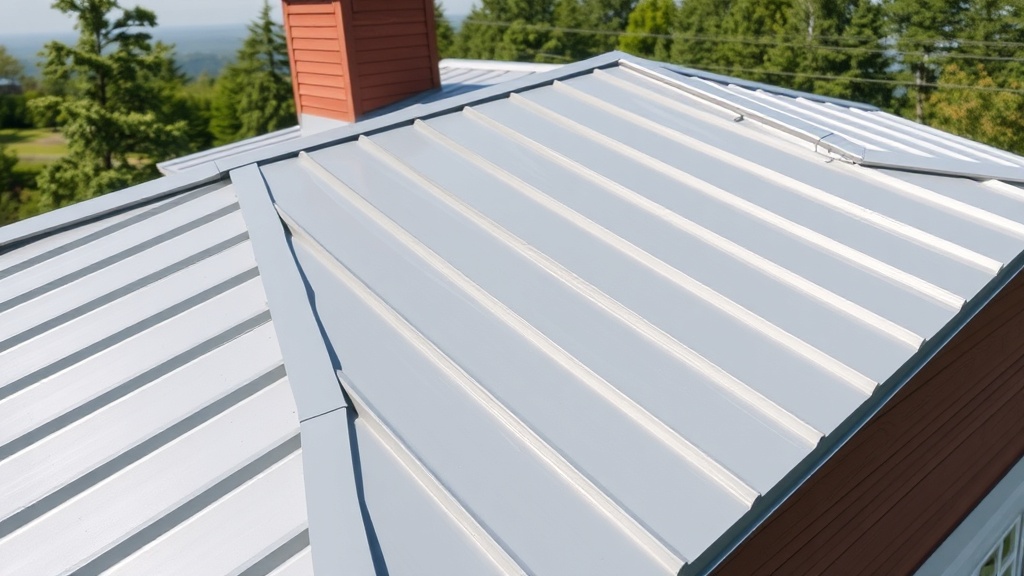
When durability meets elegance, zinc roofing stands in a class of its own. Standing Seam Pro in zinc offers a premium metal roofing solution that combines a naturally protective patina with exceptional longevity. This review explores whether this material upgrade justifies the investment for your home.
Why Choose Standing Seam Pro Zinc Over Standard Steel or Aluminum?
Zinc is not just another metal; it’s a living material that develops a protective patina over time, self-healing minor scratches and resisting corrosion. Standing Seam Pro’s zinc panels are typically 0.7mm to 0.8mm thick, offering superior malleability for complex roof geometries compared to steel. While aluminum is lightweight and rust-resistant, zinc provides a unique aesthetic depth that darkens and matures from a bright silver to a soft, warm slate grey over 10-20 years. This natural aging process eliminates the need for painting or coatings, making it a truly low-maintenance premium option.
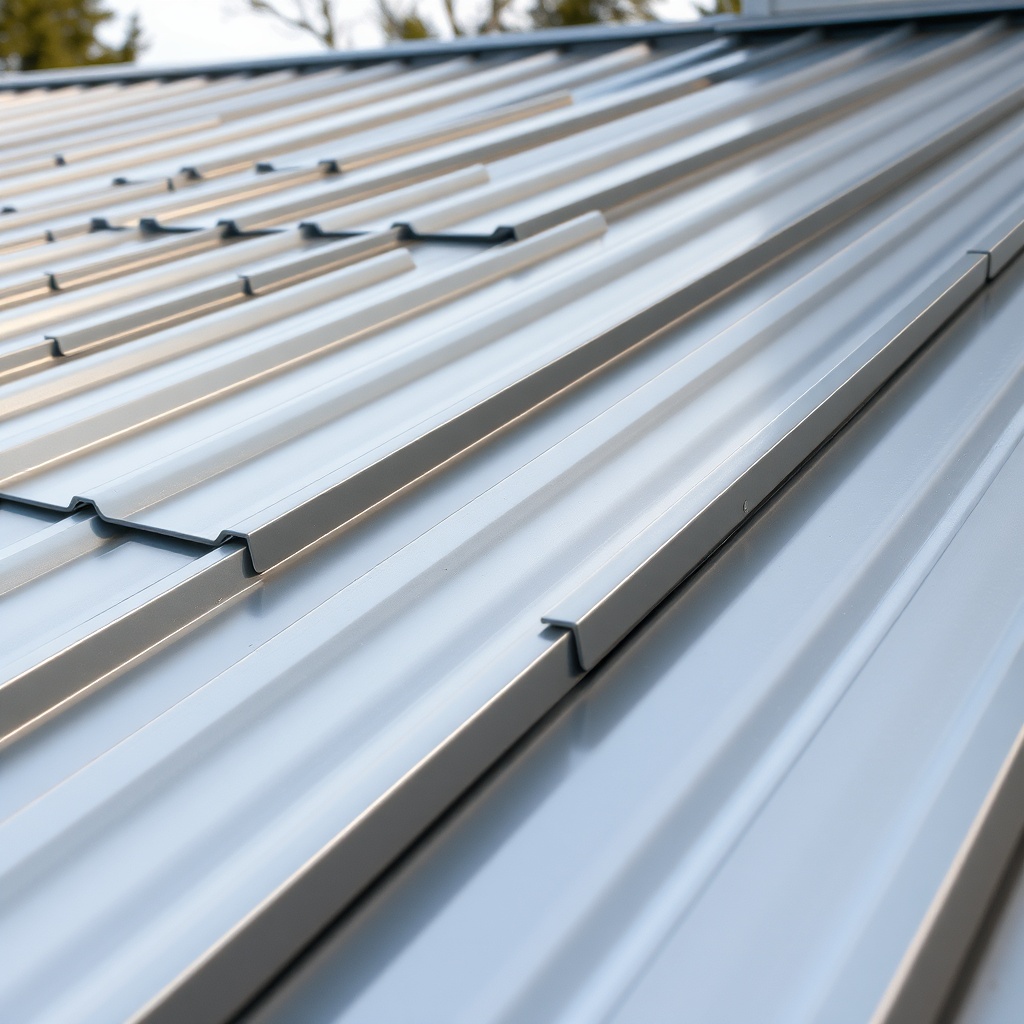
Practically, zinc also offers better thermal expansion characteristics than steel, which Standing Seam Pro accounts for with their proprietary sliding clip system. This ensures the roof panels move independently with temperature changes, reducing stress on fasteners and seals. For coastal homes or properties near industrial areas, zinc’s resistance to salt spray and acidic pollutants gives it a clear edge over painted steel.
How Does Zinc Roofing Cost Compare to Other Materials?
Zinc is undeniably a premium investment. Expect to pay between £150 and £250 per square metre installed for Standing Seam Pro zinc roofing, compared to £80–£120 for premium steel or £90–£140 for aluminum. However, the lifecycle cost tells a different story. A zinc roof can last 80–100 years with minimal maintenance, while even the best steel roofs require repainting every 20–30 years. Over 80 years, the total cost of ownership for zinc is often lower than for steel when factoring in repainting and eventual replacement.
Labor costs are higher because zinc requires skilled craftsmen familiar with its specific soldering and welding techniques for flashings and details. Standing Seam Pro’s pre-formed panels reduce some onsite labor but still require precise installation to account for expansion. For a typical 150m² roof, the initial premium over aluminum might be £15,000–£18,000 upfront, but the avoidance of future replacement costs and enhanced property value often balances the equation for homeowners planning a long-term stay.
What Maintenance Does a Standing Seam Pro Zinc Roof Need?
One of the biggest selling points of zinc is its self-maintaining patina. Unlike steel, it requires no painting or coating. However, this doesn’t mean zero maintenance. Owners should schedule annual inspections, especially after winter, to check for debris buildup in valleys and around penetrations like chimneys or vents. Zinc is a soft metal, so walking on the roof is not recommended—should you need access, use roofing walk boards on the seams.
For specific guidance on maintaining the integrity of the standing seam panels, refer to our Care Tips for Standing Seam Pro Roofs: Snow Guards & Sealing. Special attention must be paid to sealing around roof penetrations; zinc is compatible with stainless steel or lead flashings but incompatible with copper or untreated steel, as galvanic corrosion can occur. Organic debris like leaves and moss should be gently removed with a soft brush or low-pressure water—avoid pressure washing, which can damage the patina.
How Does the Standing Seam Pro Zinc Roof Handle Weather Extremes?
Zinc’s performance in severe weather is excellent when properly installed. The material’s malleability allows it to absorb impact from hail better than brittle tile or slate, though larger hail (over 25mm) can leave dimples. The standing seam design, with raised interlocking panels, sheds water effectively even in driving rain. Snow load is managed well because the smooth zinc surface encourages snow to slide off—but this means you must plan for snow guards, especially over entryways and walkways.
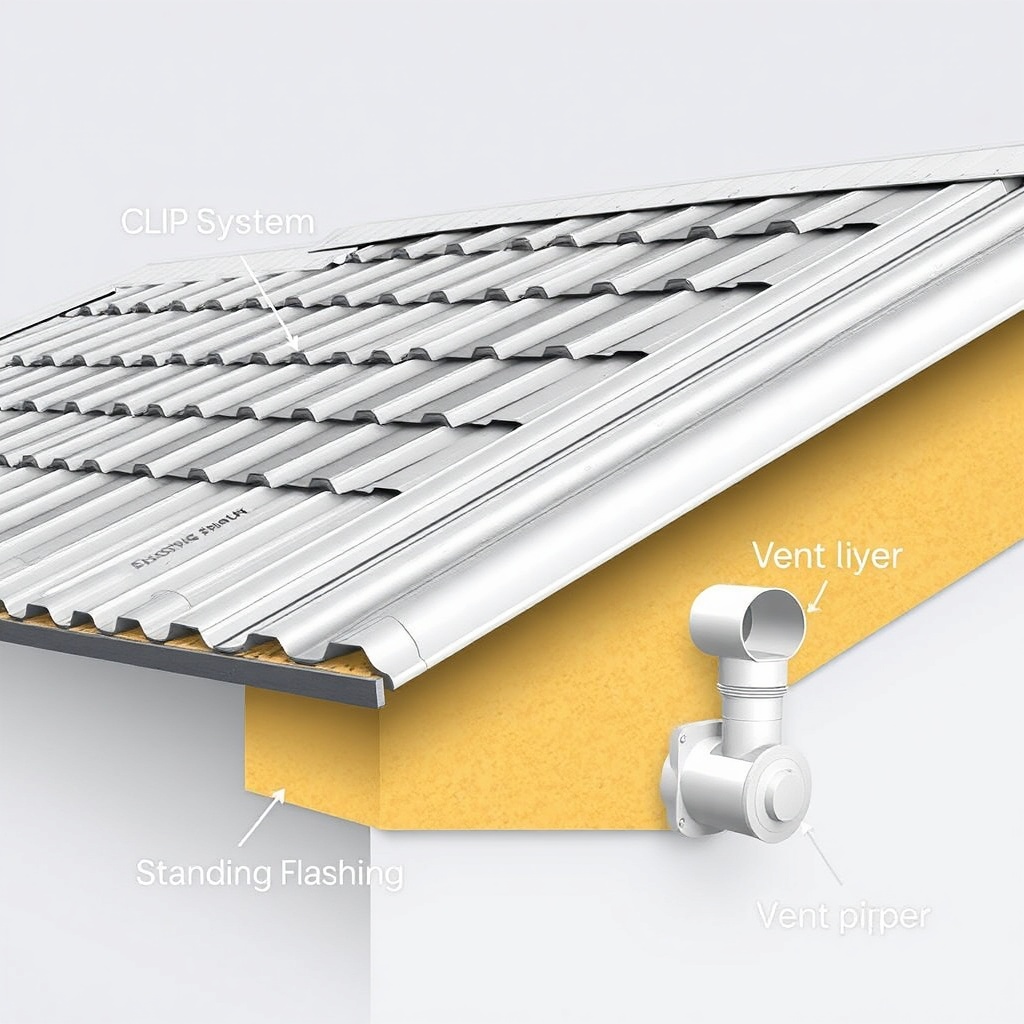
Wind uplift resistance depends on the clip system. Standing Seam Pro uses a hidden clip that anchors each panel to the deck, achieving ratings up to 150 mph (240 km/h) when installed on a solid substrate. In coastal or high-wind zones, ensure your installer follows the manufacturer’s clip spacing for your location. For detailed installation requirements, check the Standing Seam Pro Installation: Key Steps and Best Practices.
Is Zinc Compatible with Other Building Materials?
Zinc’s electro-chemical behavior requires careful material selection. It should never contact copper, as copper runoff will rapidly corrode zinc. Similarly, untreated steel fasteners can cause rust staining. Standing Seam Pro addresses this by using stainless steel clips and fasteners as standard. For flashings, zinc or lead is preferred, and for adjacent materials like timber, ensure there is a separation layer to prevent tannin staining.
When integrating with solar panels or skylights, the installation becomes more complex because the zinc panels expand and contract significantly (approx. 2.2mm per 10m length per 50°C temperature change). Standing Seam Pro’s sliding clips accommodate this, but any fixed penetrations must be surrounded with expansion joints. For aesthetic and functional consistency, many homeowners pair zinc with wood cladding or natural stone rather than brick or concrete, which can cause efflorescence staining.
| Symptom | Severity & Recommended Action |
|---|---|
| Light surface scratch or scuff | Usually not urgent – the patina will self-heal over a few months. No action needed unless near a seam. |
| Debris accumulation in valleys | Needs attention soon – clear with a soft brush within 2-3 months to prevent moisture retention and premature patina development. |
| Greenish or white powder deposits (patina irregularities) | Needs attention soon – may indicate improper water runoff or contact with incompatible metal. Inspect flashings. |
| Visible panel disengagement or lifted seam | Urgent – call a qualified Standing Seam Pro installer to re-engage clips. Can lead to water ingress. |
| Rust spots on adjacent metalwork | Needs attention soon – check for galvanic corrosion. Ensure proper separation from steel or copper. |
| Standing water on roof surface after rain | Usually not urgent – slight ponding on a long-run valley is normal. If persistent beyond 48 hours, check for debris or improper slope. |
How Does Standing Seam Pro Zinc Compare to Aluminum in Performance?
Both materials are non-corrosive and long-lasting, but the choice often comes down to budget and aesthetics. Aluminum is lighter, easier to fabricate, and roughly 40% cheaper upfront. However, aluminum dents more easily under foot traffic or heavy hail, while zinc is slightly harder (60 HB vs 25 HB for aluminum) yet more malleable (elongation of 40% vs 25%). For complex hip-and-valley roofs, zinc’s ability to be soldered and formed on site allows for cleaner, watertight details than aluminum, which relies largely on seamed joints and sealants.
Thermally, aluminum expands 1.5 times more than zinc, which places greater demand on the sliding clip system. Standing Seam Pro’s engineering accounts for both, but aluminum roofs require more careful detailing at eaves and ridges to prevent distortion. For a detailed comparison, read our Standing Seam Pro Aluminum Roofing: Durability & Performance.
What Owners Say
Owners of Standing Seam Pro zinc roofs often highlight the aesthetic evolution: “The first winter, the roof was bright silver and almost blinding in sunlight. Three years later, it’s a soft, warm grey that blends perfectly with our stone house. It’s like the roof is alive.”
Practical feedback centers on snow management: “We live in the Alps and the zinc roof sheds snow like a dream—too well, actually. We had to add snow guards after the first season because snow slides off in sheets and buried the garden furniture. The installation team handled it quickly.”
Another common observation is durability: “After 12 years, the roof looks nearly identical to year five. No rust, no chips, no fading. We’ve had hailstorms that dented the gutters, but the roof panels only show a few tiny dimples if you look closely. It’s by far the best investment we made.”
Frequently Asked Questions
1. Does a zinc roof become extremely hot in summer?
No, zinc has low emissivity and reflects a significant portion of solar radiation. Its thermal mass is low, so it warms and cools quickly. Attic temperatures under a zinc roof are typically comparable to those under a light-coloured tile roof, though insulation quality is the primary factor.
2. Can you install a Standing Seam Pro zinc roof over existing shingles?
It is not recommended. Zinc is a dimensionally stable material when attached to a solid substrate, but over asphalt shingles, the uneven surface and lack of ventilation can cause moisture entrapment. Always remove existing roofing and install a proper underlayment.
3. How long does it take for the patina to form?
The initial bright silver surface begins to dull within a few weeks, and a visible grey patina appears within 12-18 months. Full maturation to a uniform slate grey typically takes 5-10 years, depending on local humidity and rainfall.
4. Is a zinc roof likely to leak if not cleaned for a few years?
Standing Seam Pro’s interlocking design is highly water-resistant, but debris buildup in valleys and around chimneys can trap moisture. While the roof won’t rust, blocked drainage can cause water to back up under flashings. Annual cleaning is still recommended.
5. Can I paint a zinc roof if I want a different colour?
Painting zinc is not advised and will void the warranty. The patina is intended to protect the metal; paint will trap moisture and cause premature corrosion. If you desire a coloured metal roof, choose pre-finished steel or aluminum from Standing Seam Pro instead.
6. What is the typical warranty for Standing Seam Pro zinc panels?
Standing Seam Pro offers a 50-year material warranty for zinc panels against perforation and corrosion under normal conditions. Labour and installation workmanship are typically covered separately for 10-20 years by the installer. Ensure your contractor is certified for zinc installations.