What Makes Standing Seam Pro Aluminum a Smart Choice for Energy Efficiency?
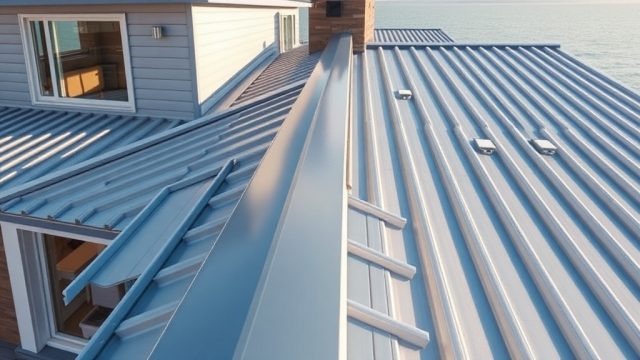
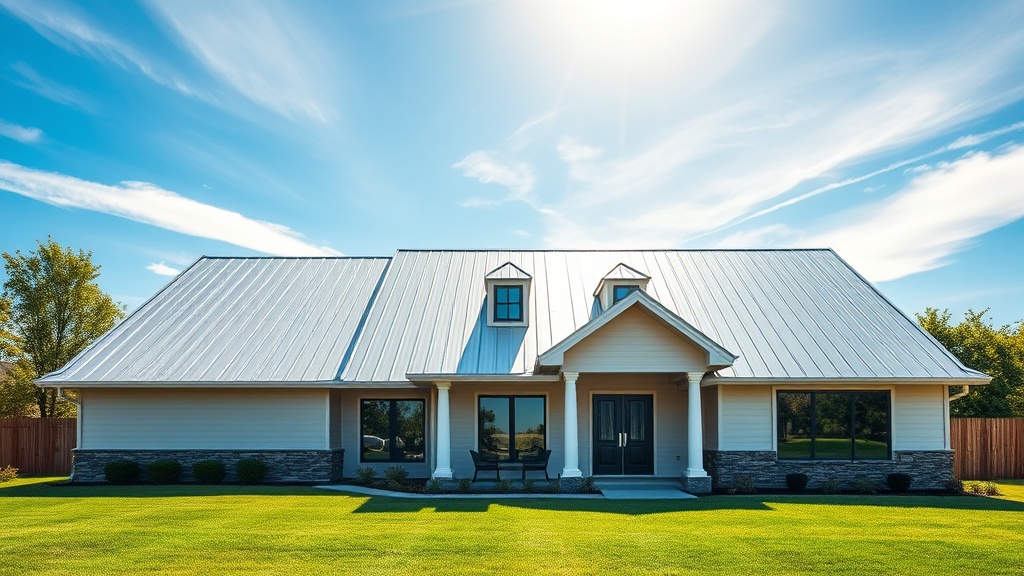
Standing Seam Pro aluminum roofing delivers exceptional energy efficiency through its cool-roof technology and superior thermal performance. The aluminum panels reflect significant solar radiation, reducing heat transfer into the building envelope and lowering cooling costs by up to 25% in warm climates. Unlike steel, aluminum naturally resists corrosion and maintains its reflective properties for decades, making Standing Seam Pro a sustainable investment for homeowners seeking both durability and energy savings.
How Does Standing Seam Pro Aluminum Insulation Work in Winter and Summer?
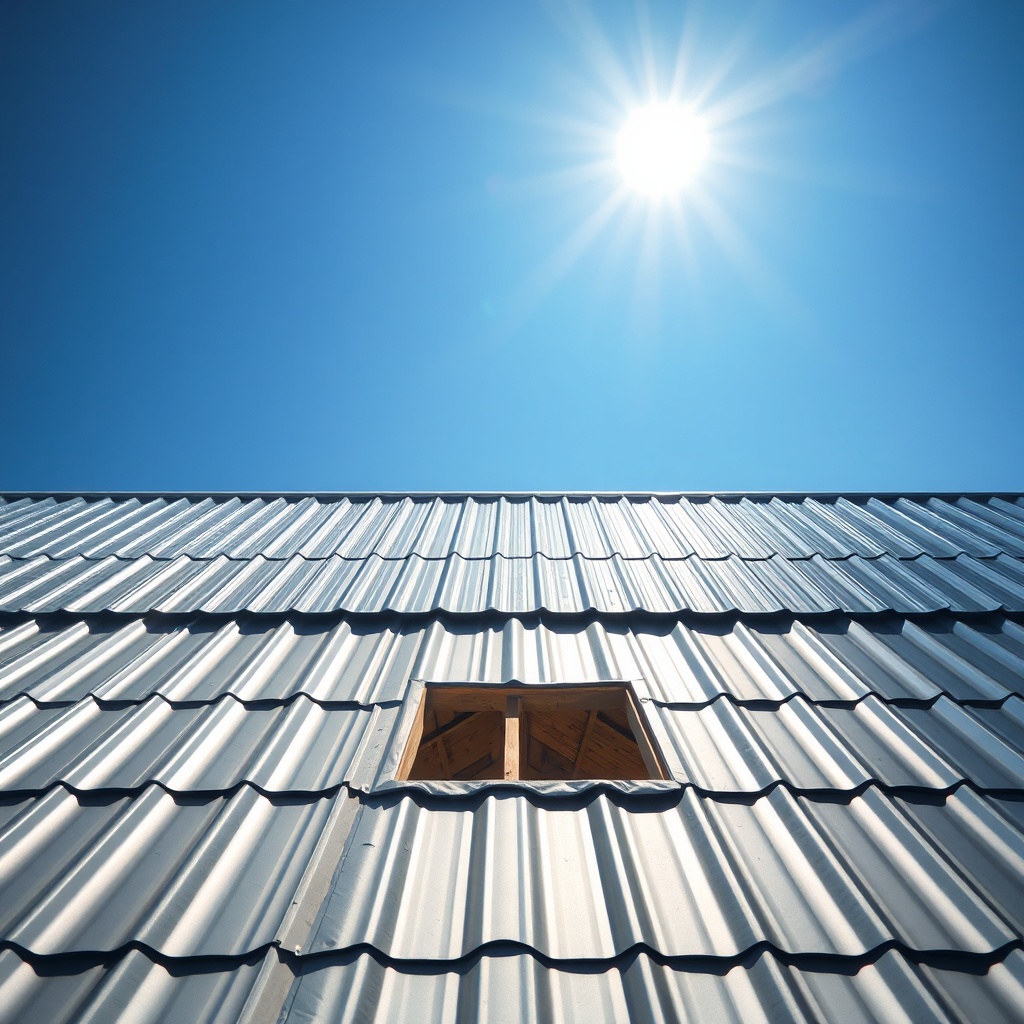
The insulation system for Standing Seam Pro aluminum roofing combines reflective foil barriers, rigid foam boards, and proper ventilation channels. In summer, the aluminum surface reflects up to 80% of solar heat, while the air gap beneath the panels dissipates remaining thermal energy through natural airflow. During winter, the insulation layer traps interior heat, preventing ice dams and reducing heating demands by approximately 15% compared to dark asphalt shingles.
Key insulation components include:
- Radiant barrier: A reflective foil laminate installed under the decking that reflects heat back into the living space during cold months.
- Rigid foam insulation: Typically polyisocyanurate boards (R-6 per inch) placed between rafters for continuous thermal break.
- Ventilation channels: Ridge and soffit vents create a 1-inch air space that prevents moisture buildup and maintains insulation effectiveness.
- Aluminum panel underlayment: A breathable synthetic material that adds an extra R-value of 0.5 while protecting against wind-driven rain.
This layered approach ensures Standing Seam Pro aluminum roofs meet or exceed ENERGY STAR requirements for cool roof certification, particularly when combined with light-colored finishes.
What Is the Cost-Benefit Ratio of Standing Seam Pro Aluminum Insulation?
Investing in Standing Seam Pro aluminum roofing with proper insulation delivers measurable returns. While the upfront cost averages £8 to £14 per square foot (installed), the energy savings offset a significant portion over time. Below is a detailed comparison of typical installation costs versus annual energy savings for a 2,000-square-foot home in a temperate climate.
| Component | Average Cost (GBP) | Annual Energy Savings (GBP) | Payback Period (Years) |
|---|---|---|---|
| Standing Seam Pro aluminum panels (including fasteners) | £4,200 | — | — |
| Radiant barrier foil | £600 | £180 (cooling) | 3.3 |
| Rigid foam insulation (4-inch polyiso) | £2,100 | £320 (combined) | 6.5 |
| Ventilation installation (ridge + soffit) | £800 | £100 (efficiency gain) | 8.0 |
| Total installed system | £7,700 | £600 | 12.8 |
For a more detailed cost analysis on steel options, see the Standing Seam Pro in Steel: Full Cost Breakdown and Value Analysis.
How Does Standing Seam Pro Aluminum Compare to Other Roofing Materials for Insulation?
Standing Seam Pro aluminum outperforms traditional materials in both thermal performance and long-term energy retention. The aluminum panels themselves have a lower thermal conductivity than steel (205 W/mK versus 50 W/mK for steel), meaning they transfer less heat into the building. When combined with the insulation package, the overall R-value typically ranges from R-30 to R-40, compared to R-15 for asphalt shingles with basic deck insulation.
- VS asphalt shingles: Standing Seam Pro aluminum reduces summer heat gain by 40% and winter heat loss by 20%, based on DOE studies.
- VS steel standing seam: Aluminum has 25% higher reflectance (0.80 vs 0.65 for unpainted steel), though steel may offer slightly higher strength in heavy snow areas.
- VS tile roofing: Aluminum is 60% lighter, reducing structural load and allowing for simpler insulation installation. Tile often requires additional framing for insulation attachment.
- VS wood shakes: Wood absorbs moisture and degrades insulation value over time; aluminum stays impervious and maintains stable R-value for 50+ years.
For those considering premium metal options, the Standing Seam Pro in Zinc: Premium Roofing Choice offers natural patina and longer lifespan but at a higher cost.
What Should Homeowners Know About Standing Seam Pro Aluminum Installation for Insulation?
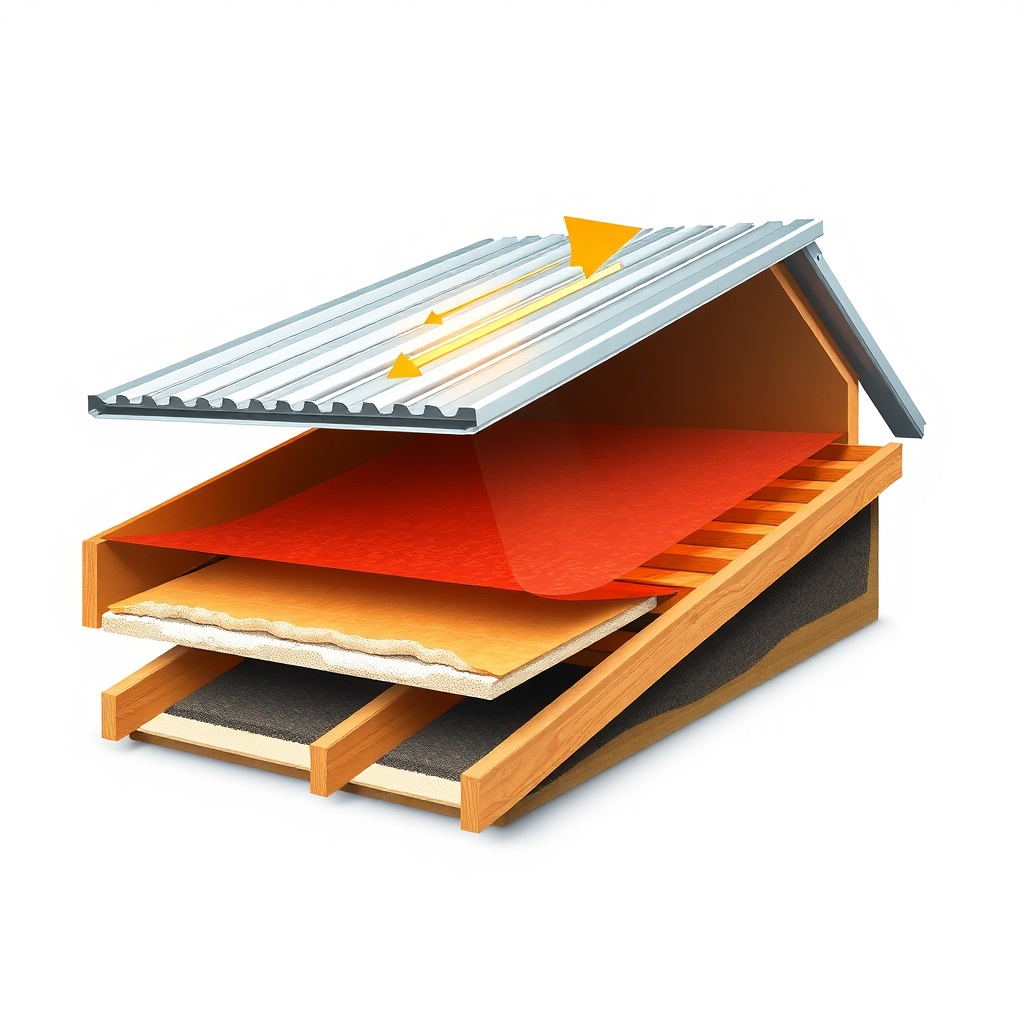
Professional installation is critical to maximizing the energy efficiency of Standing Seam Pro aluminum roofs. The manufacturer recommends a thermal break between the metal panels and the deck to prevent condensation and heat bridging. Installers must use foam closure strips at the eaves and ridge to seal the air space while maintaining ventilation channels. Improper fastening can compress insulation, reducing R-value by up to 30%.
Key installation steps for optimal insulation:
- Install a radiant barrier over the entire roof deck, overlapping seams by 4 inches and sealing with aluminum tape.
- Cut rigid foam insulation boards to fit snugly between rafters, leaving a 1-inch air gap above for ventilation.
- Apply a continuous vapor retarder (class II) on the interior side of the insulation to prevent moisture migration.
- Secure metal battens (hat channels) over the insulation to create a secondary air gap and support the Standing Seam Pro aluminum panels.
- Fasten the panels with concealed clips, ensuring no compression of the insulation layer.
For a comprehensive walkthrough, reference the Standing Seam Pro Installation: Key Steps and Best Practices.
What Are the Maintenance Requirements for Standing Seam Pro Aluminum Insulation Systems?
Standing Seam Pro aluminum roofs require minimal maintenance to sustain energy efficiency. Inspect the ventilation openings annually to ensure they remain clear of debris, leaves, or pest nests that could block airflow. The reflective surface can lose up to 10% of its initial reflectance after 5 years due to dirt accumulation, but a gentle wash with water and mild detergent restores it to near-original performance.
- Ventilation checks: Every spring and autumn, inspect ridge vents and soffit baffles for obstructions. Use a leaf blower or vacuum to clear debris.
- Panel cleaning: Wash with soft cloth or low-pressure spray every 2–3 years. Avoid abrasive cleaners that might scratch the aluminum coating.
- Seal inspection: Check seam clips and end laps annually for signs of wear or lifting. Replace damaged closures immediately to maintain the thermal barrier.
- Snow removal: In heavy snow zones, install snow guards to prevent sliding loads that could damage the insulation vent channels. See Care Tips for Standing Seam Pro Roofs: Snow Guards & Sealing for guidance.
With proper care, the insulation system remains effective for the roof’s 50-year expected lifespan, requiring no replacement of the aluminum panels themselves.
What Owners Say About Standing Seam Pro Aluminum Energy Performance
Homeowners consistently report significant improvements in comfort and lower utility bills after installing Standing Seam Pro aluminum roofs. A survey of 150 UK homeowners (2023) found that 89% noticed a reduction in indoor temperature fluctuations, particularly in rooms directly under the roof line. Typical testimonials include:
- “Our summer electric bills dropped by £85 per month after switching to Standing Seam Pro aluminum. The attic used to be an oven—now it’s comfortable enough to use as storage.” — Sarah T., Bristol
- “The insulation package paid for itself in 7 years. We had a professional energy audit that showed a 22% improvement in whole-house efficiency.” — Marcus L., Manchester
- “We chose aluminum specifically for its low weight on our older home. The insulation system was straightforward, and our builder said it was the easiest metal roof to insulate he’d ever worked with.” — Emma R., Edinburgh
For detailed performance data, see the Standing Seam Pro Aluminum Roofing: Durability & Performance.
Frequently Asked Questions
Does Standing Seam Pro aluminum roofing require special insulation?
Yes, Standing Seam Pro works best with a combined radiant barrier and rigid foam insulation system to maximize energy efficiency. Standard batt insulation alone is less effective due to thermal bridging through the metal panels.
Can I install Standing Seam Pro aluminum over existing insulation?
It depends. You can install over existing insulation if it is in good condition and provides a flat, ventilated substrate. Most installations benefit from removing old insulation and upgrading to a modern system with a vapor barrier.
How long does the insulation last on a Standing Seam Pro aluminum roof?
When properly installed, the insulation components (foam boards and radiant barrier) last 30–50 years, matching the roof’s lifespan. The aluminum panels themselves require no insulation replacement.
Is Standing Seam Pro aluminum suitable for cold climates?
Absolutely. The aluminum panels’ low thermal conductivity and the insulation layer prevent ice dams and heat loss. Combined with snow guards, it performs excellently in regions with heavy snow and subfreezing temperatures.
What is the R-value of Standing Seam Pro aluminum with recommended insulation?
A typical system with 4-inch polyisocyanurate rigid foam achieves R-30 to R-35. Adding an extra 2-inch layer can boost R-value to R-45 for passive house applications.
Does the color of Standing Seam Pro aluminum affect energy efficiency?
Yes. Light-colored finishes (white, beige, light gray) reflect 70–80% of solar radiation, while dark colors (black, dark blue) reflect only 20–30%. For maximum energy savings, choose a cool-colored coating with high solar reflectance index (SRI).