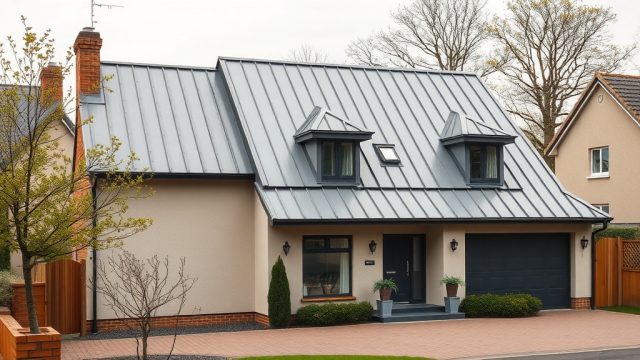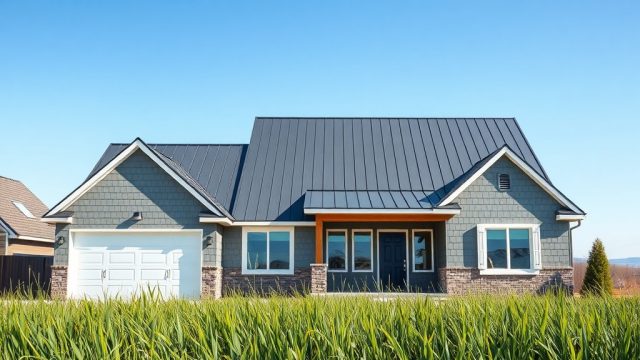
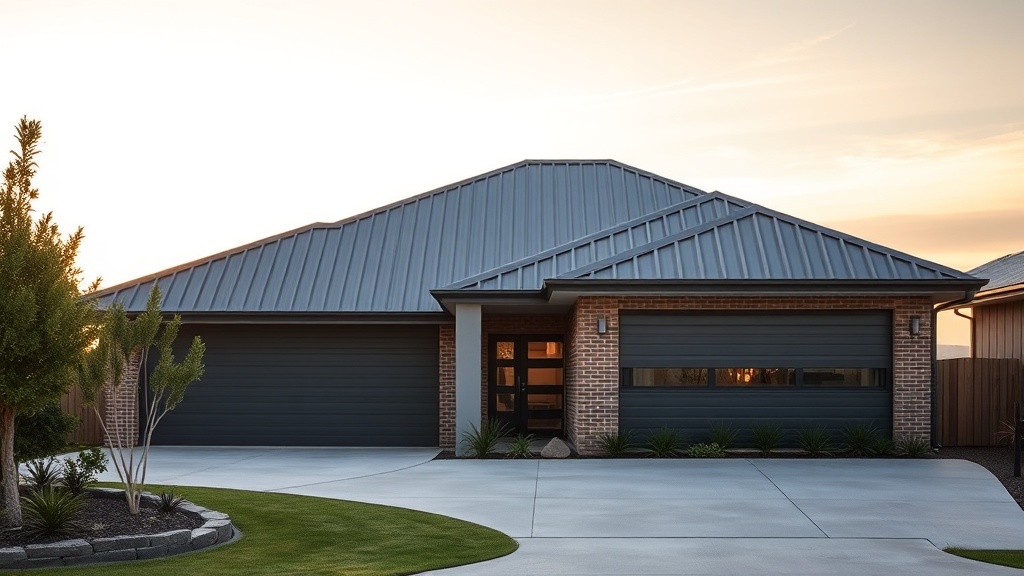
When choosing between Classic Rib steel and aluminum for your roofing project, the decision often comes down to a balance of upfront cost against long-term durability. Steel offers superior strength and impact resistance, while aluminum provides unmatched corrosion protection in coastal environments. This guide delivers a detailed cost and durability comparison for Classic Rib panels in both materials, using realistic Australian dollar values to help you make an informed investment.
What Is Classic Rib and Why Does Material Choice Matter?
Classic Rib is a widely used trapezoidal metal roofing profile, characterised by its bold, symmetrical ribs that provide exceptional structural rigidity and a clean architectural look. The profile is equally popular for residential, commercial, and agricultural applications. However, the material you select—steel or aluminum—dramatically affects the roof’s lifespan, maintenance requirements, and total cost of ownership. Steel, typically Colorbond or Zincalume, is the default choice for most Australian homes, while aluminum is favoured in salt-laden coastal zones where corrosion resistance is critical.
For a comprehensive review of the steel variant, read our Classic Rib Steel Roofing: Pros, Cons & Cost Analysis.
How Much Does Classic Rib Steel Roofing Cost Per Square Metre?
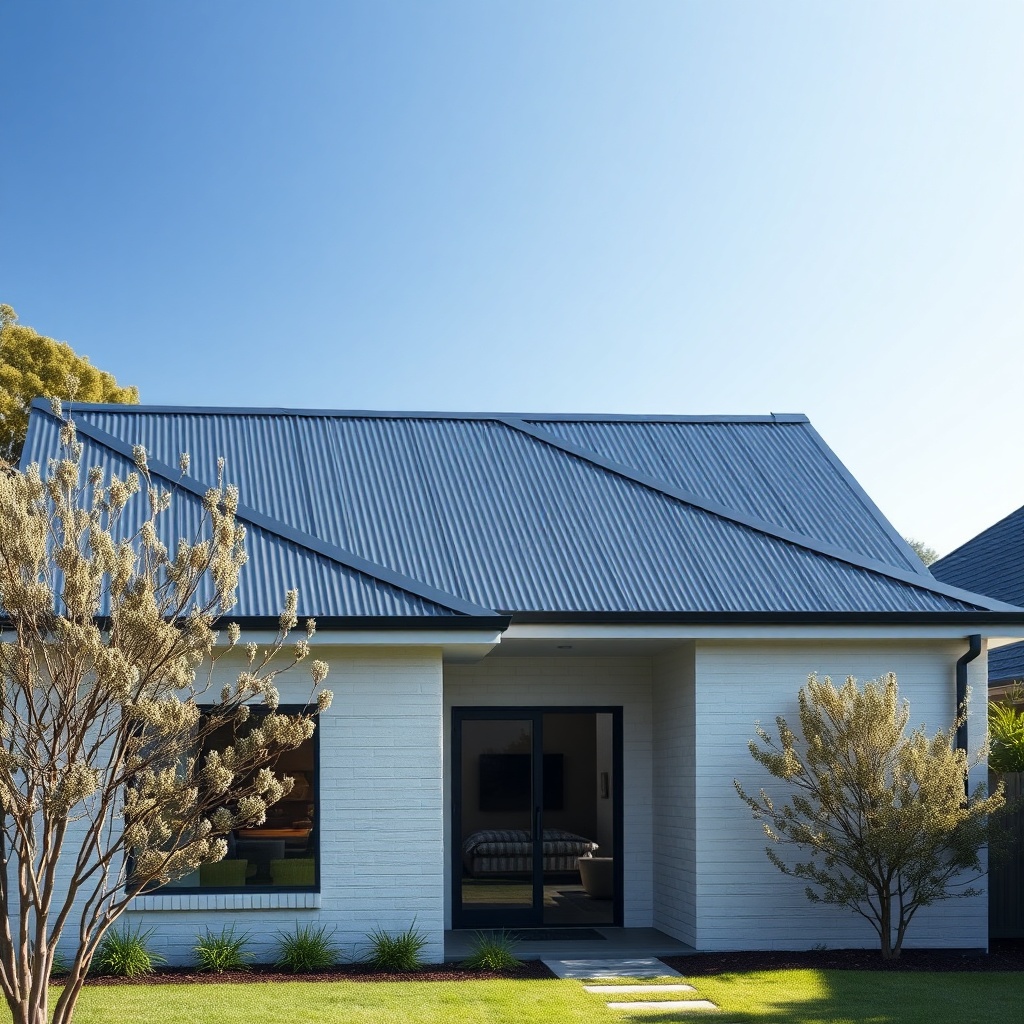
Steel Classic Rib panels are the most cost-effective option for most projects. In Australia, the material cost for Colorbond Classic Rib steel ranges from $18 to $28 per square metre for the sheeting alone, depending on the gauge and colour. Including installation, flashings, and fasteners, the total installed cost typically falls between $55 and $85 per square metre. ‘Zincalume’ steel, which lacks a painted finish, is cheaper at around $14 to $20 per square metre for materials, but it is less aesthetically suited to residential roofs.
- Material only (Colorbond, 0.42 mm BMT): $18–$28/m²
- Material only (Zincalume, 0.42 mm BMT): $14–$20/m²
- Installed standard roof (Colorbond): $55–$85/m²
- Installed complex roof (Colorbond): $80–$110/m²
The lower material cost of steel is a key driver for budget-conscious homeowners. However, bear in mind that steel requires careful handling to prevent scratches that can lead to corrosion over time.
What Is the Total Cost of Classic Rib Aluminum Roofing?
Aluminum Classic Rib panels are significantly more expensive, primarily due to the higher raw material cost and more specialised handling requirements. For a standard installation, expect material costs of $28 to $45 per square metre, with total installed costs ranging from $80 to $130 per square metre. The lighter weight of aluminum (roughly one-third that of steel) can reduce structural loading, potentially offering savings on framing in new builds.
- Material only (aluminum, 0.7 mm): $28–$45/m²
- Material only (aluminum, 0.9 mm): $38–$55/m²
- Installed standard roof (aluminum): $80–$130/m²
- Installed coastal premium installation: $100–$150/m²
Aluminum’s premium is justified in harsh coastal environments where steel may fail within 10–15 years. The metal naturally forms a protective oxide layer, meaning it never rusts in the traditional sense.
How Do Steel and Aluminum Compare in Durability and Lifespan?
Durability is where the two materials diverge most sharply. Classic Rib steel panels, when properly installed and maintained, offer a service life of 25–40 years for Colorbond (depending on the environment) and 15–25 years for unpainted Zincalume. Steel is strong, but it is vulnerable to edge corrosion and rust at cut edges or scratches, especially in salt spray zones. In contrast, aluminum Classic Rib roofs can last 40–60 years or more, even in severe coastal conditions, without rusting. The trade-off is that aluminum is softer and more susceptible to denting from hail or foot traffic.
| Attribute | Steel (Colorbond) | Aluminum |
|---|---|---|
| Material cost ($/m²) | $18–$28 | $28–$45 |
| Installed cost ($/m²) | $55–$85 | $80–$130 |
| Lifespan (typical) | 25–40 years | 40–60 years |
| Corrosion resistance (coastal) | Moderate (requires protection) | Excellent (inherent) |
| Impact resistance (hail) | High | Low to moderate |
| Weight (kg/m²) | 4–5 | 1.5–2 |
| Maintenance frequency | Every 5–7 years (inspect) | Every 8–10 years (inspect) |
For a direct comparison of this profile against another popular style, see Classic Rib vs Standing Seam: Which Is Better?.
Which Material Offers Better Long-Term Value for Money?
Long-term value depends on your specific location and roof complexity. In a typical inland suburban setting, steel’s lower initial cost and 40-year lifespan provide excellent value, especially when you factor in its superior dent resistance. In coastal regions within 1 km of the shoreline, aluminum’s higher upfront cost is recouped through avoidance of premature replacement. A steel roof in such an environment may need replacement after 15 years, whereas aluminum can last 50 years with only minor maintenance. Over a 50-year period, the total cost of ownership for steel in a coastal zone could be two to three times higher than aluminum, due to replacement costs.
- Inland areas: Steel offers best value—lower upfront cost, lower repair risk from hail.
- Coastal areas: Aluminum is the logical choice despite the higher initial spend.
- Fire-prone regions: Both are non-combustible, but steel’s greater fire resistance during ember attack gives it a slight edge.
What Do Owners Say About Classic Rib in Steel vs Aluminum?
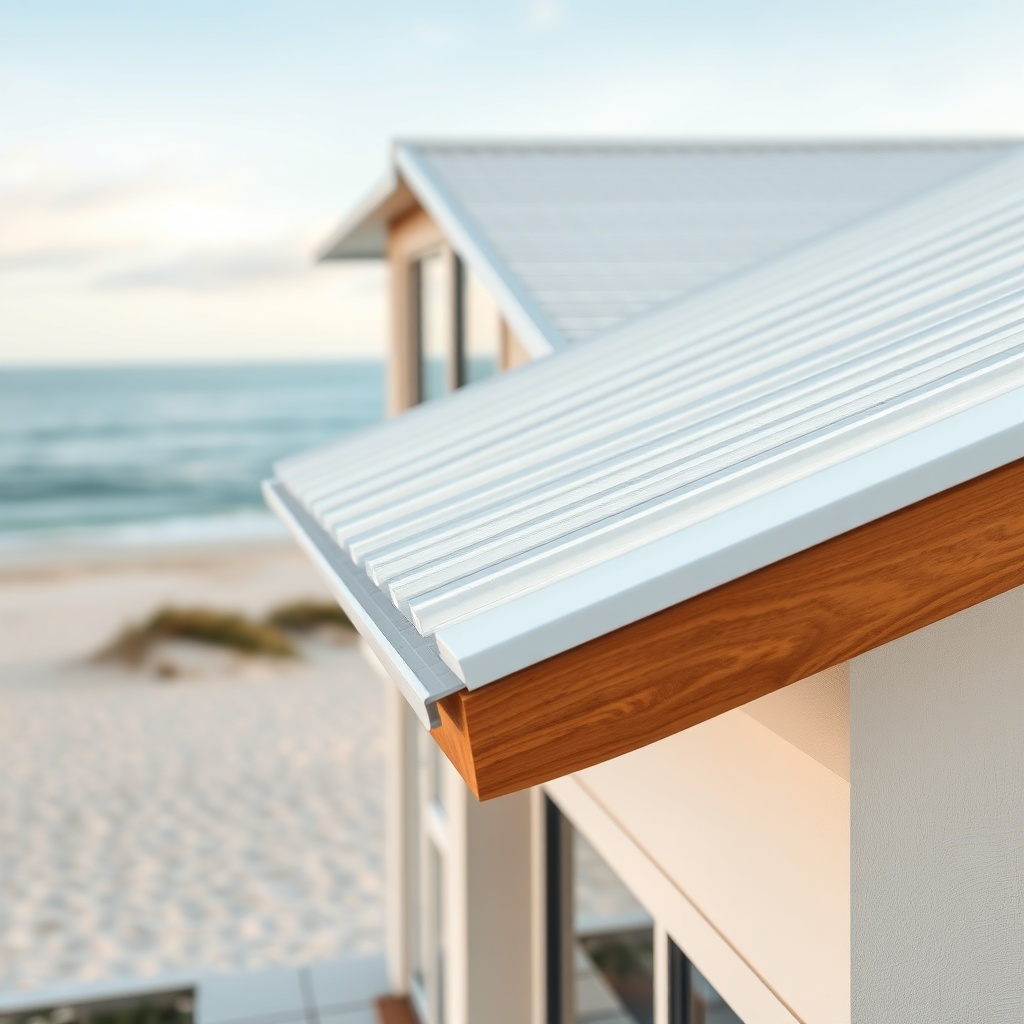
Homeowners who have installed Classic Rib steel roofing frequently praise its strength and ability to withstand severe storms without denting. Many report that the Colorbond finish remains vibrant for over a decade with minimal fading. The most common complaint is that cut edges on steel panels require thorough painting to prevent rust, particularly around penetrations. In contrast, owners of aluminum Classic Rib roofs consistently highlight their peace of mind in coastal climates. “I installed Classic Rib aluminum in my beach house 18 years ago, and it still looks like new. No rust, no worries,” says a homeowner from Wollongong. The main downside mentioned is the ease of denting from falling branches or heavy foot traffic, which can leave grooves in the softer metal. “You have to be very careful when cleaning the gutters; aluminium panels show any pressure,” notes another owner from Queensland.
How Does the Choice Affect Installation and Maintenance?
Installation techniques for both materials are similar, but there are key differences. Steel Classic Rib panels are heavier and require two or more workers for safe handling, which can increase labour costs. Aluminum, being lighter, is easier to lift and position, making it suitable for DIY enthusiasts—though professional installation is still recommended. Cutting aluminum produces sharp edges and requires carbide-tipped blades to avoid dragging and galling, while steel can be cut with standard shears or nibblers. For more detailed guidance, refer to How to Install Classic Rib Metal Roofing: Step-by-Step Guide.
Maintenance of steel Classic Rib involves annual cleaning of debris, checking for scratches, and touching up any exposed metal with matching paint. Aluminum requires less frequent attention but still benefits from regular cleaning to remove salt deposits in coastal areas; however, no painting is necessary if the oxide layer is intact. For comprehensive care advice, read Maintaining Your Classic Rib Roof: Cleaning and Repairs.
Frequently Asked Questions
1. Can I use Classic Rib steel in a coastal area if I paint the cut edges?
Yes, careful painting of all cut edges with a high-quality zinc-rich primer and matching topcoat can extend the life of steel Classic Rib in coastal environments. However, even with optimal care, the roof may not last beyond 15–20 years in severe salt spray zones. For long-term performance, aluminum is the safer choice.
2. Is Classic Rib aluminum more expensive than standing seam in both materials?
Generally, yes. Classic Rib aluminum is less expensive than standing seam aluminum, which involves more complex concealed fasteners and labour. When comparing steel Classic Rib to steel standing seam, Classic Rib is usually 20–30% cheaper to install. For a detailed comparison, see Classic Rib vs Standing Seam: Which Is Better?.
3. What gauge of steel is best for Classic Rib roofing?
The most common and recommended gauge for residential Classic Rib is 0.42 mm Base Metal Thickness (BMT) for Colorbond. For high wind zones, 0.48 mm BMT may be specified. Thicker steel is stronger but adds cost and weight.
4. How does aluminum Classic Rib perform in hailstorms?
Aluminum is relatively soft; large hailstones (greater than 25 mm in diameter) can cause dents, which are purely cosmetic but may be unsightly. Steel Classic Rib is much more resistant to hail damage and is preferred in hail-prone regions like Sydney and parts of Queensland.
5. Can I walk on a Classic Rib aluminum roof to clean solar panels?
Yes, but you must use extreme caution. Aluminum Classic Rib dents easily under concentrated weight. Only walk on the flat pan sections (not the ribs), and use a walkboard or padded plank to distribute your weight. Steel is far more forgiving in this regard.
6. Does Classic Rib aluminum require special fasteners?
Yes, you must use stainless steel or aluminum fasteners to prevent galvanic corrosion between the aluminum panel and the screw. Standard galvanised steel screws will cause rapid corrosion at the contact point. Always check the manufacturer’s specifications for fastener compatibility.